
Is Puppy Biting Normal? What Every New Dog Owner Should Know
Understanding why biting happens — and when it’s truly normal — can make this entire puppy stage far less stressful.
3/25/20266 min read
Share Article
If you’ve recently brought home a puppy, there’s a good chance you’ve already experienced it.
You sit down to play…
and suddenly your puppy’s teeth are on your fingers.
You stand up to walk across the room…
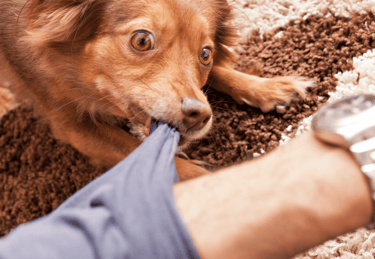
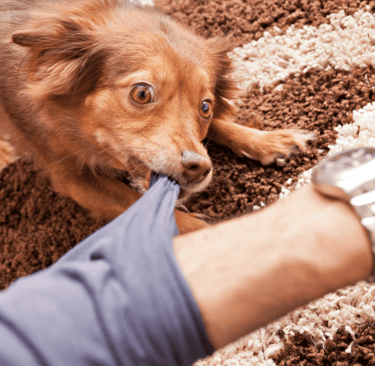
and your puppy attacks your socks.
You try to pet them…
and they grab your sleeve.
At some point, many new dog owners pause and wonder:
“Is this normal?”
The answer, in most cases, is yes.
Puppy biting is one of the most common behaviors in early dog development. Nearly every puppy goes through a stage where they use their mouth constantly while learning about the world.
Understanding why this happens — and when it’s truly normal — can make the entire puppy stage far less stressful.
(If you're looking for a complete explanation of why puppies bite, start with our pillar guide: Why Puppies Bite: The Complete Dog Owner’s Guide.)
Why Puppies Use Their Mouths So Much
Dogs experience the world differently than humans.
Humans explore primarily with our hands and vision.
Dogs explore through a combination of:
• scent
• movement
• touch through the mouth
A puppy’s mouth acts as a primary learning tool.
When puppies mouth objects, clothing, or hands, they are gathering information about:
• texture
• movement
• pressure
• reaction
This sensory exploration is a natural part of early development.
What Science Says About Puppy Mouthing
Behavior research shows that mouthing and nipping are expected developmental behaviors in young dogs.
Puppies interact with their littermates almost entirely through:
• chasing
• wrestling
• grabbing
• gentle biting
During these interactions, puppies begin learning bite inhibition — the ability to control the pressure of their bite.
This process is critical because dogs that learn bite inhibition early are far less likely to cause serious injury later in life, even if they bite during fear or stress as adults.
In other words, early mouthing is not just normal — it is part of a puppy’s social education.
Why Puppy Teeth Feel So Much Worse Than They Are
One reason puppy biting feels so intense is because puppy teeth are extremely sharp.
Baby teeth are designed to puncture and hold onto objects easily. In the wild, this helps young animals learn to grab prey.
For humans, however, those tiny teeth can feel like needles.
This sharpness often makes owners believe the puppy is biting harder than they actually are.
In many cases the puppy is applying very little pressure, but the teeth themselves make the contact feel more painful.
The Emotional Side of Puppy Biting (What Owners Often Experience)
One thing rarely discussed in dog training articles is how puppy biting affects the owner’s emotions.
Many new puppy owners experience what trainers sometimes call “puppy doubt.”
Common thoughts include:
• “Did I choose the wrong puppy?”
• “Is my dog aggressive?”
• “Why is my puppy worse than other puppies?”
• “Am I doing something wrong?”
These worries are extremely common, especially during the first few months.
In reality, most puppies go through similar phases — but owners rarely see those struggles behind closed doors.
The Developmental Window When Biting Is Most Normal
Puppy biting usually follows a predictable age pattern.
The most mouthy stage typically occurs between:
12 and 16 weeks of age.
During this time puppies are experiencing several developmental changes simultaneously:
• increased confidence
• greater physical coordination
• growing curiosity
• the beginning of teething
This combination often leads to the stage many owners call the “landshark phase.”
Although it can feel overwhelming, it is a temporary stage of learning.
(If you want to see the full developmental pattern, read: Puppy Biting Stopping Timeline (Week by Week).)
Behaviors That Are Completely Normal
Many behaviors that worry owners are actually part of normal puppy development.
These include:
• grabbing sleeves during play
• chasing moving feet
• mouthing hands during excitement
• nipping during zoomies
• chewing random objects
While these behaviors require guidance and boundaries, they are not signs of aggression in most puppies.
Why Some Puppies Seem More Mouthy Than Others
Another common concern is when owners compare their puppy to others.
You might see a friend’s puppy that seems calm and wonder why yours bites constantly.
Several factors influence how mouthy a puppy appears, including:
• breed tendencies
• energy level
• personality
• environment
• sleep schedule
High-energy or highly curious puppies often interact with the world more physically, which can make them appear more bite-prone.
The Hidden Cause of Many Biting Episodes
One factor many owners overlook is overtiredness.
Puppies require far more sleep than most people realize — often 18 to 20 hours per day.
When puppies become overtired, they can lose impulse control.
This often results in sudden bursts of:
• nipping
• jumping
• grabbing clothing
• frantic energy
Many owners misinterpret this behavior as aggression when it is actually a sign the puppy needs rest.
When Puppy Biting Might Not Be Normal
Although most puppy biting is normal, there are situations where additional guidance may be helpful.
Warning signs can include:
• stiff body posture before biting
• repeated deep puncture bites
• guarding food or toys
• growling during gentle handling
• fear-based reactions toward people
These behaviors may indicate something beyond normal play biting.
If they appear consistently, a trainer or veterinarian can help evaluate the behavior.
(For a deeper explanation of this distinction, read: Puppy Biting vs. Aggression: How to Tell the Difference.)
The Good News: Puppies Grow Out of This Stage
The most reassuring thing for many owners to hear is this:
Puppy biting rarely lasts forever.
As puppies grow, several changes naturally reduce mouthing behavior:
• adult teeth replace baby teeth
• impulse control improves
• social skills develop
• excitement becomes easier to regulate
Most puppies show major improvement between 5 and 7 months of age.
You’re Not Alone in the “Landshark Phase”
If your puppy is biting constantly right now, it may feel like you're the only person dealing with it.
But nearly every dog owner goes through this stage.
Those tiny teeth that seem impossible today are simply part of your puppy’s learning process.
With patience and guidance, your puppy will eventually replace biting with calmer ways of interacting.
Continue Learning About Puppy Biting
If you're trying to understand your puppy’s behavior more clearly, these guides can help:
• Why Puppies Bite: The Complete Dog Owner’s Guide
• Puppy Biting Stopping Timeline (Week by Week)
• Why Puppies Bite Feet and Ankles (And How to Stop It)
• Puppy Biting During Play — What It Really Means
Together, these articles explain how puppy biting develops and what changes to expect as your puppy grows.
Struggling With the “Landshark Phase”?
If you’re reading this while your puppy is chewing your sleeves or chasing your ankles, take a breath.
What you’re experiencing is one of the most common stages of puppy development.
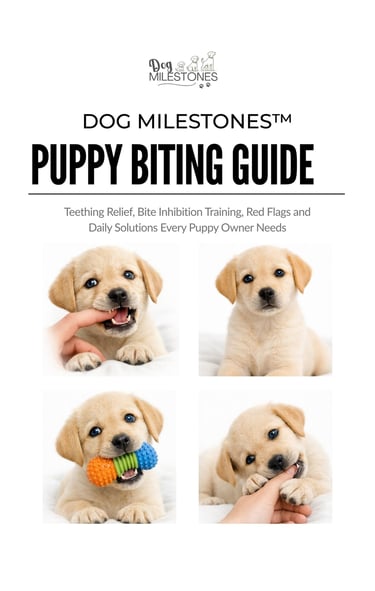
The Dog Milestones Puppy Biting Guide Series was created to help dog owners navigate this stage with confidence. More information below.




Want a Complete Step-by-Step Puppy Biting System?
This article explains why puppy biting happens.
But most owners also want to know:
• What do I do today when my puppy bites nonstop?
• How do I stop ankle attacks while walking through the house?
• How do I teach gentle mouths step-by-step?
• How do I prevent biting from becoming a long-term habit?
That is exactly why the Dog Milestones Puppy Biting Guide series was created.
Inside the Dog Milestones™ Puppy Biting Guide series you will learn:
✔ Why puppies bite (and what most advice gets wrong)
✔ The daily routines that reduce biting dramatically
✔ How to teach bite inhibition the right way
✔ What to do during peak teething weeks
✔ The common mistakes that accidentally make biting worse
Instead of random tips, you’ll get a clear, step-by-step system used by
thousands of dog owners to survive the puppy biting stage with confidence.
WHAT'S NEXT:
Explore the Dog Milestones™ Puppy Potty Training Guide → (Book Series Coming Soon)
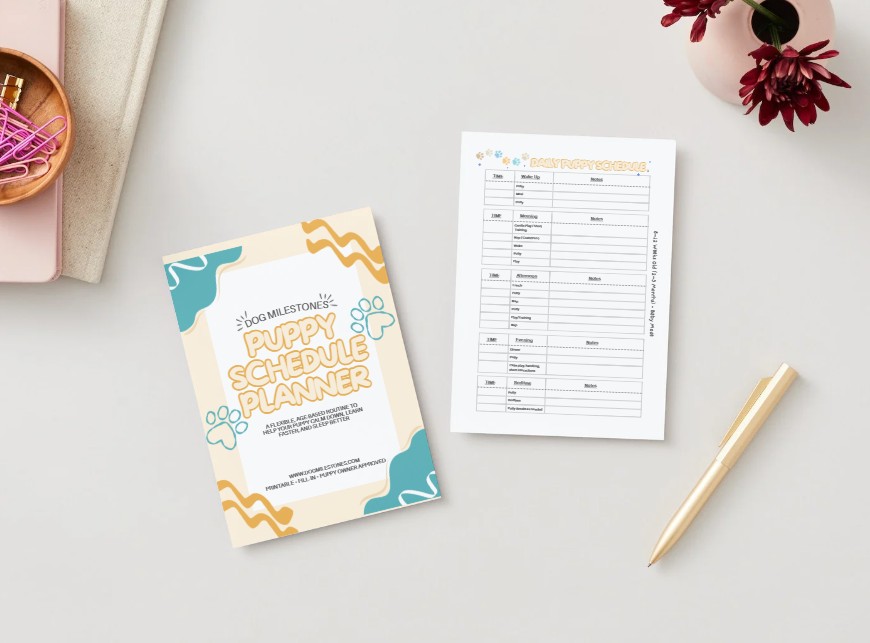
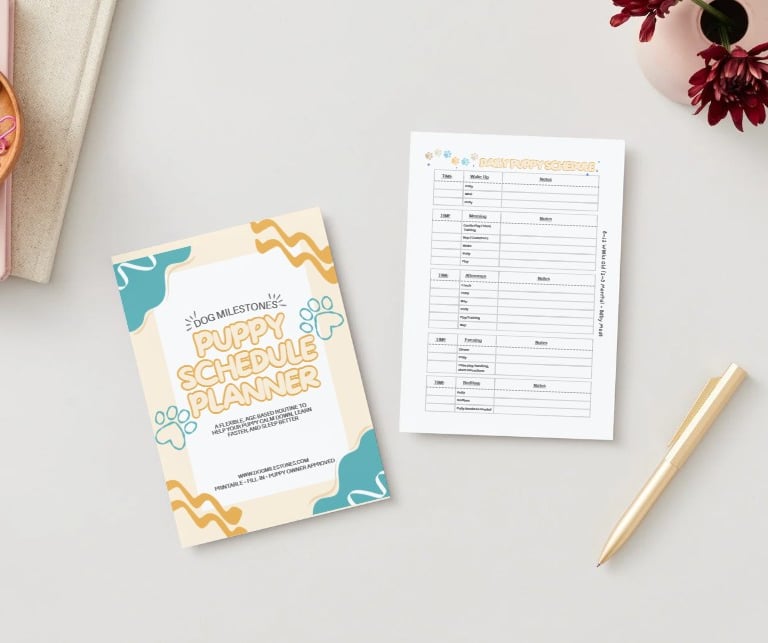
If your puppy struggles with biting, restlessness, or evening chaos,
consistency may be the missing piece — not more effort.
Download our free Puppy Schedule and see first hand how intentional routines help anxious puppies relax, sleep better, and feel secure.
Calm doesn’t happen by accident. It’s built, one predictable day at a time.
Its 100% ready, you just need to plug in the times.
What the PDF Includes:
• Instructions on How To Create A Schedule
• What To Expect As Your Dog Ages
• Puppy Profile - Perfect for day cares and puppy sitters/walkers
• Potty tracking
• Blank Hour-by-hour Daily Schedule
• Suggested Activities ( based on puppies age) Daily Schedule - Blank time slots to fill in
• Notes section - Track behaviors and habits. A nice way to see training progress or negative behaviors forming.
Get Started now - Download our free puppy schedule printable and customize it to your life — not someone else’s routine.
If you need more help with creating a Puppy Schedule
👉 Read → [How to Create a Realistic Puppy Schedule (By Age, Not Perfection)]
info@dogmilestones.com
Join Our Puppy Community
Get weekly puppy tips, milestone guides, and helpful resources delivered to your inbox.
Also, we’ll send over our Dog Milestones Puppy Behavior Quiz to help you with tailored advice for your pup.
SOCIALS
Dog Milestones™
Clear, compassionate guidance for your puppy's development journey.
Quick Links
Resources
© 2026 Dog Milestones. Made with ❤️ for dogs and their humans. All rights reserved.