Puppy Biting During Play — What It Really Means
Play biting is normal puppy behavior. Learn why puppies use their mouths during play and how to tell the difference between healthy play and problem biting.
3/11/20266 min read
Share Article
You’re playing with your puppy, everything seems fun and harmless — and suddenly those tiny teeth latch onto your hands, sleeves, or ankles.
Many dog owners pause in that moment and wonder:
“Why is my puppy biting me when we’re playing?”
The short answer is simple: biting is part of how puppies play.
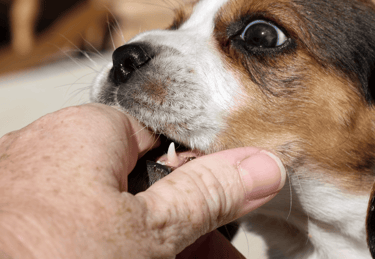
Dogs naturally use their mouths during play with other dogs. Wrestling, gentle nipping, and grabbing are normal parts of social interaction in puppy development.
But when those sharp teeth meet human skin, the experience can quickly shift from cute to painful.
Understanding what puppy biting during play actually means can help you guide your puppy toward healthy play habits while avoiding common mistakes that accidentally make biting worse.
First: Play Is How Puppies Learn Social Skills
Play is not just entertainment for puppies — it’s an essential learning process.
During play, puppies develop skills that shape their future behavior, including:
• communication
• impulse control
• body coordination
• emotional regulation
• bite inhibition
When puppies play with their littermates, they use their mouths constantly.
One puppy may nip another during a wrestling match. If the bite is too hard, the other puppy yelps and stops playing. That pause teaches the biting puppy to adjust bite pressure.
Over time, puppies learn how to use their mouths more gently so the game continues.
When puppies move into human homes, we become their new play partners — and they try to play the same way.
Why Puppies Bite More During Play
Several natural instincts combine during play that make biting more likely.
Understanding these motivations can help you interpret your puppy’s behavior more accurately.
1. Play Triggers Hunting Instincts
Play activates the same neurological pathways dogs use during hunting behavior.
Many elements of play mimic the predatory sequence, including:
• chasing
• grabbing
• tugging
• shaking objects
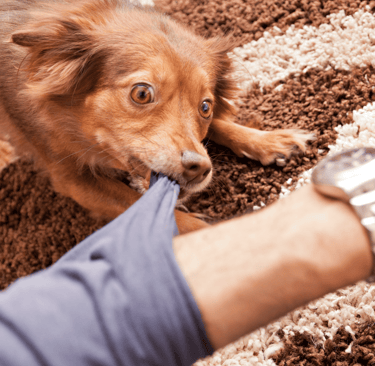
When a puppy grabs your sleeve or pant leg during play, they may simply be acting on these instincts.
The movement of fabric, hands, or feet makes the game more exciting.
2. Movement Intensifies Excitement
The faster things move, the more stimulating the game becomes.
This is why puppies often bite during:
• running games
• tug-of-war
• wrestling
• chasing toys
Movement increases arousal levels in a puppy’s brain, making it harder for them to control their mouth.
3. Puppies Have Limited Impulse Control
Young puppies are still developing their ability to regulate excitement.
During play, their energy can rise quickly, especially if the activity becomes loud or chaotic.
When arousal levels climb too high, puppies may start:
• nipping repeatedly
• grabbing clothing
• jumping and mouthing
This doesn’t mean the puppy is aggressive.
It means their brain is temporarily overstimulated.
The Four Types of Play Biting
Not all play biting looks the same. Recognizing the type of play your puppy is expressing can help you respond appropriately.
Gentle Mouthing
This is the softest form of play biting.
The puppy lightly places their mouth on hands or fingers without applying strong pressure.
Signs include:
• relaxed body posture
• loose tail wagging
• slow movements
Gentle mouthing is often part of social interaction and communication.
Grab-and-Tug Play
Some puppies love grabbing clothing or toys and tugging.
During these games, puppies may latch onto:
• sleeves
• shoelaces
• pant legs
• soft toys
This behavior reflects natural tug and prey instincts.
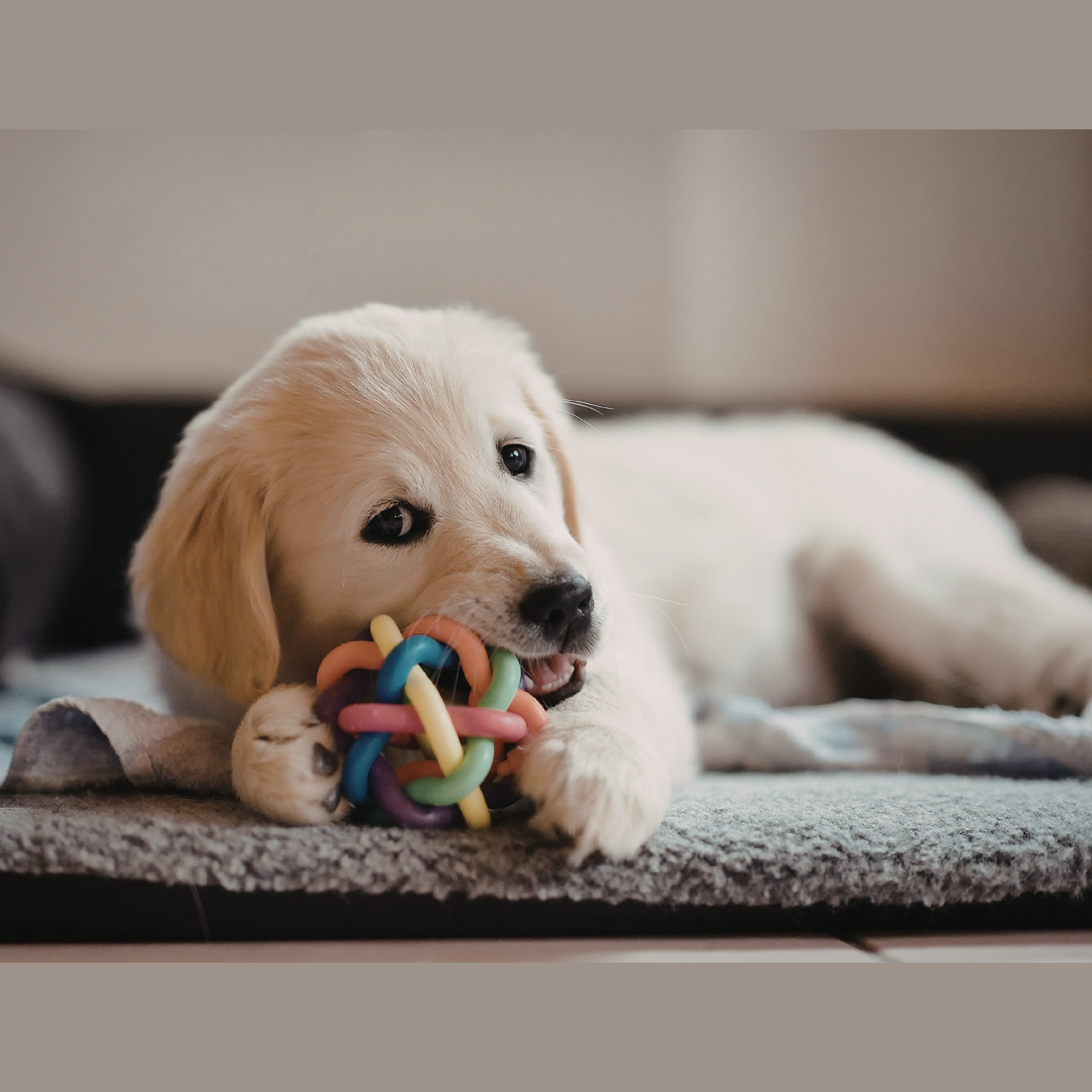
When directed toward toys, it can be a healthy form of play.
Chase-and-Nip Play
This type of play biting usually targets moving body parts.
Common targets include:
• ankles
• feet
• socks
The puppy is responding to movement rather than intentionally targeting a person.
This behavior is especially common in herding breeds.
Overstimulated Play Biting
This occurs when a puppy becomes too excited during play.
Signs include:
• rapid biting
• jumping repeatedly
• frantic energy
• inability to settle
Overstimulated puppies often appear wild or out of control.
In reality, they simply need a break to calm down.
Breed Differences in Play Biting
Play style can vary significantly depending on breed tendencies.
For example:
Herding breeds
May chase and nip moving feet or clothing.
Retriever breeds
Often grab objects or hands gently because they are naturally inclined to carry things in their mouths.
Terriers
May enjoy vigorous tugging and shaking toys.
Understanding your puppy’s breed tendencies can help explain why certain play behaviors appear.
How Human Play Style Influences Biting
One factor that many owners overlook is how their own play behavior affects their puppy.
Certain types of human interaction can unintentionally encourage biting.
Examples include:
• waving hands near the puppy’s face
• wrestling with the puppy
• encouraging chasing games with bare hands
• allowing puppies to grab clothing during play
These actions make human body parts appear like play objects.
When puppies learn that hands and sleeves are part of the game, biting becomes more likely.
The Difference Between Healthy Play and Problematic Play
Healthy play should look balanced and flexible.
Signs of healthy play include:
• pauses in activity
• loose body language
• voluntary breaks
• the puppy responding to cues
Problematic play occurs when excitement escalates continuously without breaks.
Warning signs may include:
• biting becoming harder over time
• inability to disengage
• ignoring attempts to pause play
• escalating intensity
These situations often signal that the puppy needs a break from stimulation.
Why Ending Play Suddenly Can Trigger Biting
Another misunderstood situation happens when play stops abruptly.
When an exciting game suddenly ends, puppies sometimes react with:
• grabbing hands
• jumping and nipping
• barking or vocalizing
This reaction is usually frustration, not aggression.
Puppies are still learning how to transition from high excitement back to calm behavior.
Gradual play cooldowns often work better than abrupt stops.
The Role of Play in Bite Inhibition Development
One important reason play biting occurs is because puppies are practicing bite inhibition.
Bite inhibition is the ability to control the pressure of a bite.
Dogs that develop strong bite inhibition early in life are far less likely to cause injury if they ever bite later in adulthood.
During play, puppies learn to adjust bite pressure based on the reaction they receive.
This learning process is a crucial part of social development.
The Good News: Play Biting Improves With Maturity
For most puppies, play biting decreases naturally as they grow older.
As puppies mature, they develop:
• stronger impulse control
• improved emotional regulation
• better communication skills
Combined with consistent training and guidance, this developmental progress gradually reduces unwanted biting during play.
Most puppies show significant improvement by the time adult teeth fully emerge.
Continue Learning About Puppy Biting
If you're trying to understand why your puppy bites in different situations, these guides can help:
• Why Puppies Bite: The Complete Dog Owner’s Guide
• Puppy Biting vs. Aggression: How to Tell the Difference
• Puppy Biting Stopping Timeline (Week by Week)
These articles explain the underlying causes of puppy biting and what changes to expect as your puppy grows.
Want a Complete Step-by-Step Puppy Biting System?
This article explains why puppy biting happens.
But most owners also want to know:
• What do I do today when my puppy bites nonstop?
• How do I stop ankle attacks while walking through the house?
• How do I teach gentle mouths step-by-step?
• How do I prevent biting from becoming a long-term habit?
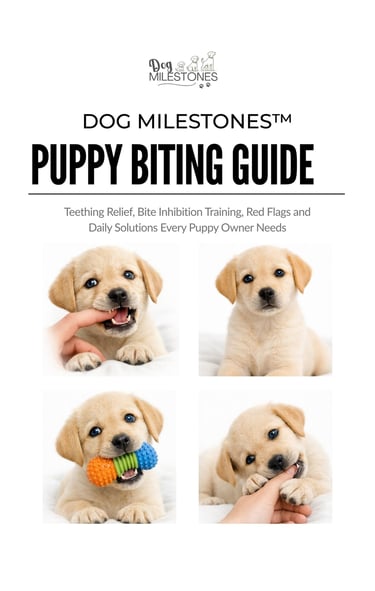
That is exactly why the Dog Milestones Puppy Biting Guide series was created.
Inside the Dog Milestones™ Puppy Biting Guide series you will learn:
✔ Why puppies bite (and what most advice gets wrong)
✔ The daily routines that reduce biting dramatically
✔ How to teach bite inhibition the right way
✔ What to do during peak teething weeks
✔ The common mistakes that accidentally make biting worse
Instead of random tips, you’ll get a clear, step-by-step system used by
thousands of dog owners to survive the puppy biting stage with confidence.
WHAT'S NEXT:
Explore the Dog Milestones™ Puppy Potty Training Guide → (Book Series Coming Soon)
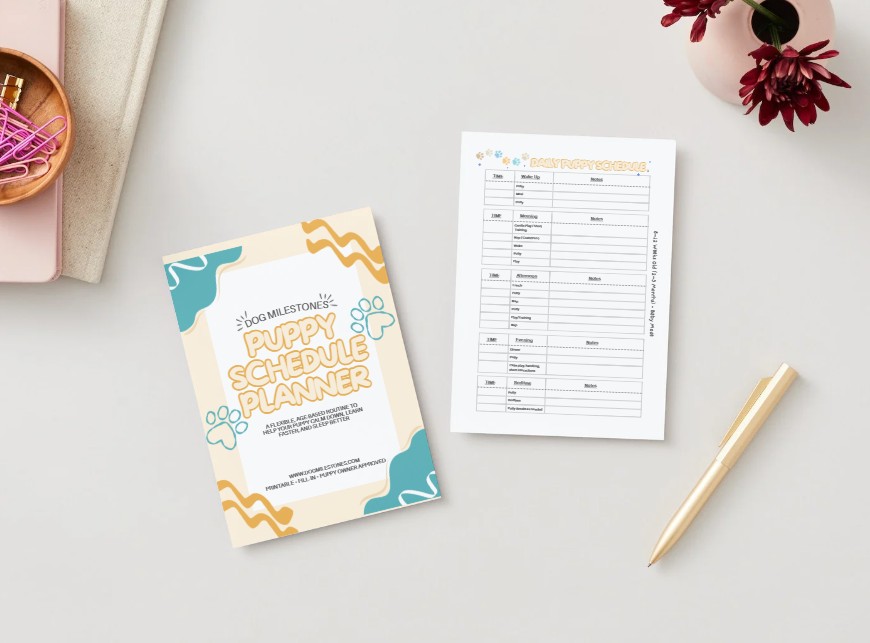
If your puppy struggles with biting, restlessness, or evening chaos,
consistency may be the missing piece — not more effort.
Download our free Puppy Schedule and see first hand how intentional routines help anxious puppies relax, sleep better, and feel secure.
Calm doesn’t happen by accident. It’s built, one predictable day at a time.
Its 100% ready, you just need to plug in the times.
What the PDF Includes:
• Instructions on How To Create A Schedule
• What To Expect As Your Dog Ages
• Puppy Profile - Perfect for day cares and puppy sitters/walkers
• Potty tracking
• Blank Hour-by-hour Daily Schedule
• Suggested Activities ( based on puppies age) Daily Schedule - Blank time slots to fill in
• Notes section - Track behaviors and habits. A nice way to see training progress or negative behaviors forming.
Get Started now - Download our free puppy schedule printable and customize it to your life — not someone else’s routine.
If you need more help with creating a Puppy Schedule
👉 Read → [How to Create a Realistic Puppy Schedule (By Age, Not Perfection)]
info@dogmilestones.com
Join Our Puppy Community
Get weekly puppy tips, milestone guides, and helpful resources delivered to your inbox.
Also, we’ll send over our Dog Milestones Puppy Behavior Quiz to help you with tailored advice for your pup.
SOCIALS
Dog Milestones™
Clear, compassionate guidance for your puppy's development journey.
Quick Links
Resources
© 2026 Dog Milestones. Made with ❤️ for dogs and their humans. All rights reserved.