
Puppy Biting Stopping Timeline (Week by Week)
Wondering when puppy biting stops? This week-by-week timeline explains how biting develops and when most puppies outgrow the landshark stage.
3/23/20266 min read
Share Article
If your puppy is biting constantly, you may be wondering something every puppy owner eventually asks:
“When will my puppy stop biting?”
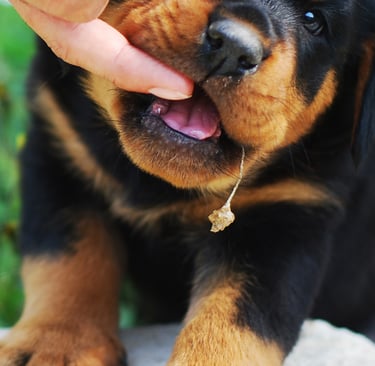
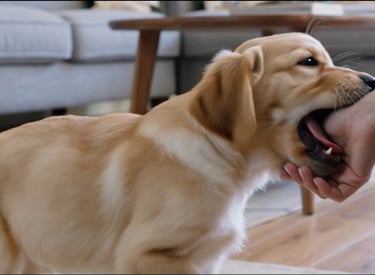
Those tiny teeth can make everyday life feel overwhelming. Puppies bite hands, grab clothing, chase ankles, and sometimes seem determined to chew on everything in sight.
The good news is that puppy biting follows a predictable developmental timeline.
While every puppy grows at a slightly different pace, most puppies go through similar stages as they learn how to control their mouth and interact with people.
Understanding what to expect week by week can make the entire process feel much less stressful.
(If you're trying to understand the deeper reasons behind biting behavior, start with our main guide: Why Puppies Bite: The Complete Dog Owner’s Guide.)
The Big Picture: When Puppy Biting Improves
Before diving into the week-by-week stages, here is the overall pattern most puppies follow:
• 8–10 weeks: curiosity biting begins
• 10–12 weeks: play biting increases
• 12–16 weeks: peak biting stage
• 4–5 months: teething intensifies
• 5–6 months: noticeable improvement begins
• 6–7 months: most puppies show major progress
For many owners, the most difficult stage occurs between 12 and 16 weeks when puppies are highly energetic and still learning bite control.
The key thing to remember is that this phase is temporary and developmental.
8–10 Weeks: The Exploration Stage
When puppies first arrive in their new homes, they are entering a completely unfamiliar environment.
During this stage puppies use their mouths primarily to explore their surroundings.
You may notice:
• gentle mouthing of hands
• nibbling on clothing
• chewing on random objects
• curiosity about fingers and shoes
Most biting at this age is light and exploratory.
Your puppy is essentially learning what objects exist in their new world.
This stage is usually manageable because the puppy’s bite pressure is still fairly soft.
10–12 Weeks: Play Biting Begins
As puppies become more comfortable in their new home, their confidence and energy increase.
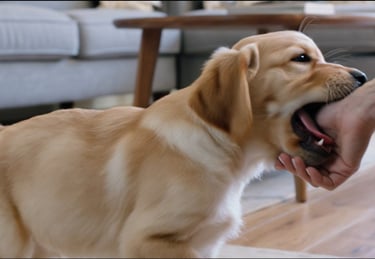
This is when many owners begin to notice more frequent biting during play.
Common behaviors include:
• grabbing hands during games
• tugging on sleeves
• chasing moving feet
• nipping during excitement
At this stage puppies are practicing social play behavior.
They are learning the same play skills they would normally practice with littermates.
If biting seems frequent, this is usually normal for this developmental stage.
12–14 Weeks: The “Landshark” Phase Begins
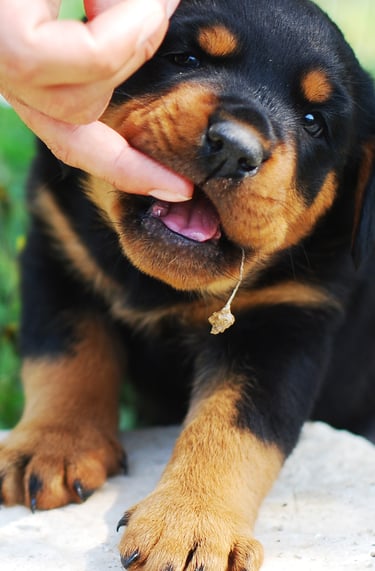
Around three months of age, many puppies enter the stage owners often call the landshark phase.
This is when biting becomes noticeably stronger and more frequent.
You may see:
• sudden bursts of nipping
• ankle chasing
• grabbing clothing during movement
• intense play biting
This stage occurs because puppies are:
• gaining confidence
• becoming more energetic
• testing boundaries
• developing coordination
Many owners worry something is wrong during this stage.
In reality, it is one of the most normal phases of puppy development.
14–16 Weeks: Peak Biting Stage
For many puppies, this is the most challenging period.
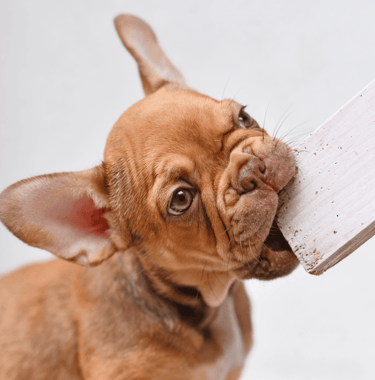
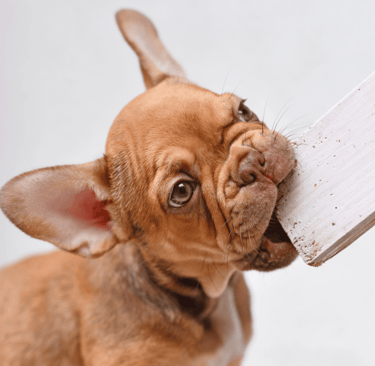
Teething often begins around this age, and puppies experience gum discomfort as adult teeth begin developing.
During this stage you may notice:
• increased chewing
• stronger biting pressure
• grabbing objects more frequently
• difficulty settling after play
Puppies are also learning how to regulate excitement, which can lead to bursts of intense play behavior.
If your puppy feels especially mouthy during this stage, you are not alone.
Many owners describe this as the most exhausting part of puppyhood.
4 Months: Teething Intensifies
At approximately four months, baby teeth begin falling out and adult teeth begin emerging.
This stage often increases chewing behavior because pressure on the gums relieves discomfort.
You may notice your puppy:
• chewing furniture or toys
• mouthing objects more frequently
• occasionally biting harder during play
However, this stage often brings an important shift.
Puppies begin developing better bite pressure control, even if they are still mouthing frequently.
5 Months: Learning Self-Control
By five months of age, many puppies start showing noticeable improvement.
You may see:
• softer play biting
• quicker recovery after excitement
• improved response to guidance
• longer calm periods
This stage reflects the puppy’s developing impulse control and emotional regulation.
While biting may still occur, it usually becomes less intense.
6 Months: Major Progress
Around six months, many puppies experience a turning point.
Their adult teeth are mostly in, and their brain development allows for stronger self-control.
At this stage most puppies:
• bite less frequently
• mouth more gently
• settle more easily after play
• show better awareness of boundaries
Many owners notice that the chaotic biting stage begins fading during this time.
6–7 Months: The End of the Biting Phase
By six to seven months, most puppies have completed the most intense stages of biting development.
Although occasional mouthing may still occur during play, the constant nipping phase usually fades.
By this point puppies have learned:
• bite inhibition
• appropriate play behavior
• better emotional regulation
The puppy that once grabbed everything in sight gradually becomes a dog who understands how to interact calmly.
Why Some Puppies Take Longer
While this timeline describes the typical pattern, some puppies may take longer to improve.
Several factors can influence the speed of progress, including:
• breed tendencies
• energy level
• sleep schedule
• early social experiences
• household environment
Understanding these influences can help explain why some puppies appear more mouthy than others.
Signs Your Puppy Is Improving
Even if biting hasn’t completely stopped, there are encouraging signs that your puppy is progressing.
Watch for:
• softer bite pressure
• shorter biting episodes
• quicker recovery after play
• increased calm periods
These signals show that your puppy is learning how to regulate their behavior.
Progress often happens gradually rather than overnight.
Continue Learning About Puppy Biting
If you're trying to better understand your puppy’s behavior, these guides may help:
These articles explore the causes of puppy biting and how it develops during early puppyhood.
Feeling Overwhelmed by Puppy Biting?
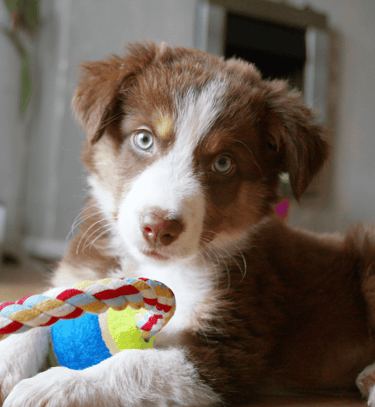
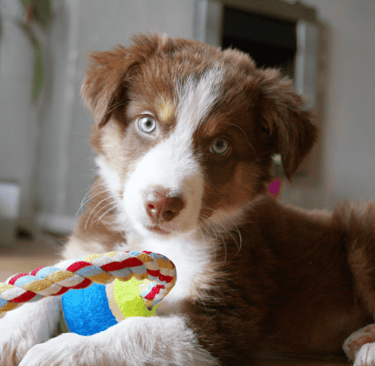
If you're reading this late at night while your puppy is chewing on everything in sight, take a breath.
You’re not alone.
Almost every dog owner experiences the puppy biting stage — and it can feel exhausting when you're in the middle of it.

Want a Complete Step-by-Step Puppy Biting System?
This article explains why puppy biting happens.
But most owners also want to know:
• What do I do today when my puppy bites nonstop?
• How do I stop ankle attacks while walking through the house?
• How do I teach gentle mouths step-by-step?
• How do I prevent biting from becoming a long-term habit?
That is exactly why the Dog Milestones Puppy Biting Guide series was created.
Inside the Dog Milestones™ Puppy Biting Guide series you will learn:
✔ Why puppies bite (and what most advice gets wrong)
✔ The daily routines that reduce biting dramatically
✔ How to teach bite inhibition the right way
✔ What to do during peak teething weeks
✔ The common mistakes that accidentally make biting worse
Instead of random tips, you’ll get a clear, step-by-step system used by
thousands of dog owners to survive the puppy biting stage with confidence.
WHAT'S NEXT:
Explore the Dog Milestones™ Puppy Potty Training Guide → (Book Series Coming Soon)


If your puppy struggles with biting, restlessness, or evening chaos,
consistency may be the missing piece — not more effort.
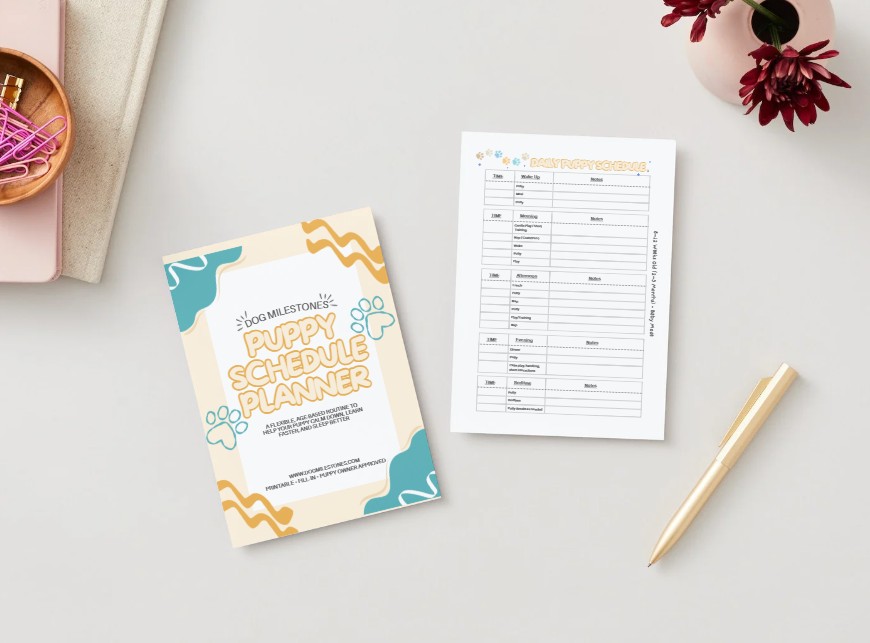
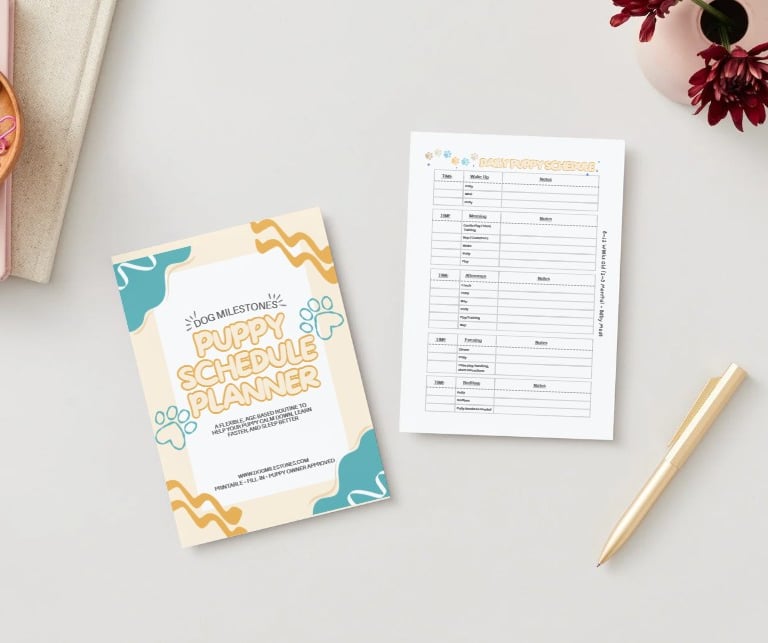
Download our free Puppy Schedule and see first hand how intentional routines help anxious puppies relax, sleep better, and feel secure.
Calm doesn’t happen by accident. It’s built, one predictable day at a time.
Its 100% ready, you just need to plug in the times.
What the PDF Includes:
• Instructions on How To Create A Schedule
• What To Expect As Your Dog Ages
• Puppy Profile - Perfect for day cares and puppy sitters/walkers
• Potty tracking
• Blank Hour-by-hour Daily Schedule
• Suggested Activities ( based on puppies age) Daily Schedule - Blank time slots to fill in
• Notes section - Track behaviors and habits. A nice way to see training progress or negative behaviors forming.
Get Started now - Download our free puppy schedule printable and customize it to your life — not someone else’s routine.
If you need more help with creating a Puppy Schedule
👉 Read → [How to Create a Realistic Puppy Schedule (By Age, Not Perfection)]
info@dogmilestones.com
Join Our Puppy Community
Get weekly puppy tips, milestone guides, and helpful resources delivered to your inbox.
Also, we’ll send over our Dog Milestones Puppy Behavior Quiz to help you with tailored advice for your pup.
SOCIALS
Dog Milestones™
Clear, compassionate guidance for your puppy's development journey.
Quick Links
Resources
© 2026 Dog Milestones. Made with ❤️ for dogs and their humans. All rights reserved.