
Puppy Biting vs. Aggression: How to Tell the Difference
Is your puppy biting normally or showing aggression? Learn the key behavioral differences between playful mouthing and concerning biting.
3/20/20267 min read
Share Article
One of the most frightening moments for new dog owners is when their puppy bites and a troubling thought appears:
“Is my puppy aggressive?”
Because puppy teeth are sharp and bites can hurt, it’s easy to assume something is wrong. Many owners begin worrying that their puppy has a serious behavioral problem.
But in most cases, puppy biting is completely normal and has nothing to do with aggression.
Puppies use their mouths the way human toddlers use their hands. They explore, play, communicate, and practice social skills through mouthing and nipping.
True aggression in young puppies is rare, but it’s important for dog owners to understand the difference between normal developmental biting and behavior that may need professional attention.
In this guide, we’ll break down the key differences between puppy play biting and true aggression, along with the warning signs every dog owner should know.
(If you’re looking for a deeper explanation of why puppies bite in the first place, read our full guide: Why Puppies Bite: The Complete Dog Owner’s Guide.)
Most Puppy Biting Is Not Aggression
The majority of puppy biting falls into normal developmental behavior.
Young puppies are still learning:
• how hard they can bite
• how to interact with people
• how to regulate excitement
• how to communicate during play
Because they are inexperienced, puppies sometimes bite too hard or too frequently.
This doesn’t mean they are aggressive.
It means they are still learning how to control their mouth and emotions.
Many owners mistake energetic play, frustration, or overstimulation for aggression when it is actually part of early puppy development.
What True Aggression Looks Like in Dogs
Aggression is a behavior intended to increase distance or stop a perceived threat.
Dogs use aggression when they feel:
• threatened
• fearful
• cornered
• protective of resources
Aggressive behavior is usually preceded by warning signals that escalate gradually if the dog feels their message is being ignored.
These signals may include:
• stiff body posture
• hard staring
• freezing in place
• growling or snarling
• lip lifting
• snapping or lunging
Aggression is typically purposeful and defensive, not playful or exploratory.
Why Puppies Rarely Show True Aggression
Most puppies under 4–5 months are still developing emotionally and socially.
Their behavior is usually driven by curiosity, play, excitement, or frustration — not defensive intent.
Puppies also have not yet developed the complex emotional responses that typically trigger aggressive behavior in adult dogs.
When biting occurs in young puppies, it is usually part of:
• play behavior
• social learning
• teething discomfort
• overstimulation
• frustration
Understanding these motivations helps owners avoid mislabeling normal puppy behavior as aggression.
Key Differences Between Puppy Biting and Aggression
One of the easiest ways to tell the difference is to observe the entire context of the behavior, not just the bite itself.
Below are the most important behavioral clues.
1. Body Language
Body language is one of the clearest indicators of a puppy’s emotional state.
Playful Puppy Biting
Play biting is usually accompanied by relaxed and loose body movement.
Signs include:
• wiggly posture
• bouncing movements
• loose tail wagging
• play bows
• open mouth with relaxed expression
The puppy often stops and restarts play repeatedly.
Aggressive Behavior
Aggression is typically associated with stiff and tense body posture.
Signs may include:
• rigid body
• stiff tail
• direct, hard eye contact
• raised lips or snarling
• freezing before biting
These signals indicate the dog is feeling defensive rather than playful.
2. Bite Style
Another important difference is how the dog bites.
Puppy Play Biting
Play bites are often:
• quick
• repetitive
• less targeted
• part of a play sequence
Puppies frequently release immediately and continue interacting.
Aggressive Biting
Aggressive bites are typically:
• more forceful
• directed toward a specific target
• meant to stop interaction
The dog may hold, shake, or attempt to create distance after biting.
3. Emotional Context
The situation surrounding the bite often reveals the puppy’s motivation.
Situations That Trigger Play Biting
Play biting commonly occurs during:
• rough play
• chasing games
• excitement
• high energy moments
The puppy appears eager to continue interacting.
Situations That Trigger Aggression
Aggressive responses often occur when the dog feels threatened or pressured.
Common triggers may include:
• guarding food or toys
• being cornered
• painful handling
• fear of unfamiliar people or animals
The dog’s goal is usually to end the interaction.
4. Recovery Time
How quickly a puppy returns to normal behavior after biting also provides important clues.
Playful Puppies
After a play bite, puppies usually return to a relaxed state quickly.
They may:
• resume playing
• grab a toy
• approach again in a friendly way
The emotional intensity drops rapidly.
Aggressive Dogs
Aggressive responses tend to maintain emotional tension.
The dog may continue:
• growling
• guarding
• staring
• avoiding approach
The dog remains in a defensive state rather than returning to playful interaction.
The Behavior Most Often Confused With Aggression
One of the behaviors most commonly mistaken for aggression is overstimulation biting.
When puppies become extremely excited or overtired, they may suddenly begin biting more intensely.
This often happens:
• during evening hours
• after long play sessions
• when puppies skip naps
• during chaotic environments
Overstimulated puppies can appear wild or out of control, but the behavior is usually a sign they need rest and a calmer environment, not discipline.
The Role of Frustration in Puppy Biting
Another misunderstood behavior is frustration biting.
Young puppies sometimes bite when they cannot access something they want.
This might happen if:
• a toy is removed
• play suddenly stops
• the puppy is picked up unexpectedly
These brief outbursts are part of emotional learning and are usually temporary.
Puppies are still developing the ability to regulate their feelings.
When Puppy Biting May Need Professional Help
Although true aggression in young puppies is uncommon, there are situations where guidance from a trainer or veterinarian may be helpful.
Consider seeking help if your puppy shows:
• repeated deep puncture bites
• stiff body posture before biting
• guarding food, toys, or resting areas
• growling during normal handling
• fear-based reactions toward people
Early intervention can prevent small issues from becoming larger behavioral problems later.
Why Early Understanding Matters
Misinterpreting puppy behavior can lead to the wrong response.
If normal play biting is mistaken for aggression, owners may respond with harsh corrections that increase fear or confusion.
On the other hand, ignoring genuine warning signs can allow problematic behavior to grow over time.
Learning to read your puppy’s body language helps you respond calmly and appropriately.
And that understanding builds the foundation for a confident, well-adjusted dog.
Final Thoughts
If your puppy is biting, you are experiencing one of the most common phases of raising a young dog.
Most biting is simply part of learning how to interact with the world.
With patience, structure, and consistent guidance, puppies gradually develop the self-control needed for safe and gentle interaction.
The sharp little teeth that seem overwhelming today are simply part of your puppy’s journey toward becoming a well-behaved adult dog.
Continue Learning
If you want to better understand puppy biting behavior, these guides will help:
• Why Puppies Bite: The Complete Dog Owner’s Guide
• Puppy Biting Stopping Timeline (Week by Week)
These articles explain why biting happens and what changes to expect as your puppy grows.
Want a Step-by-Step Plan to Stop Puppy Biting?
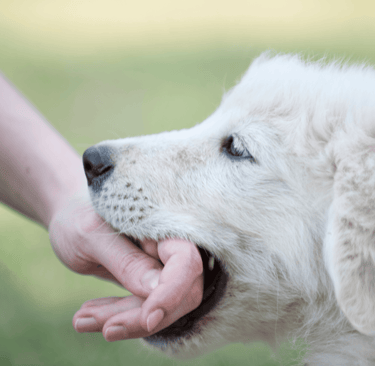
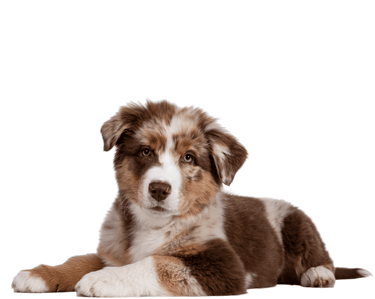
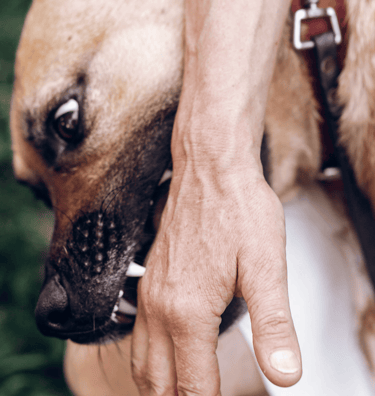
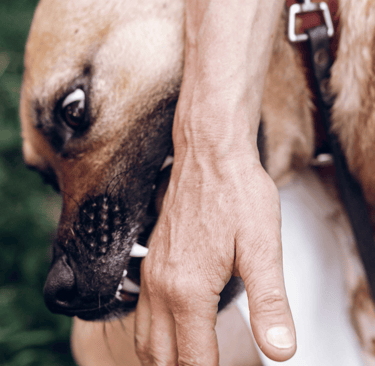
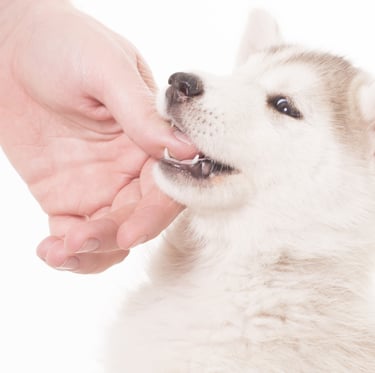
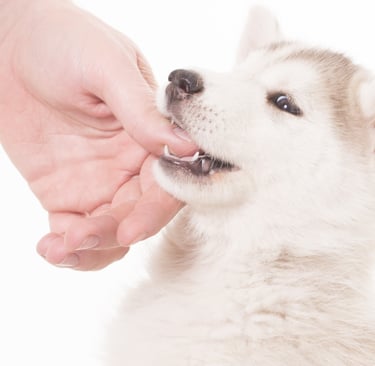
If your puppy feels like a tiny “landshark,” you’re not alone.

Want a Complete Step-by-Step Puppy Biting System?
This article explains why puppy biting happens.
But most owners also want to know:
• What do I do today when my puppy bites nonstop?
• How do I stop ankle attacks while walking through the house?
• How do I teach gentle mouths step-by-step?
• How do I prevent biting from becoming a long-term habit?
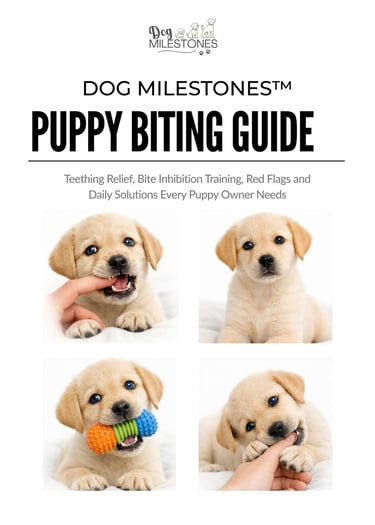
That is exactly why the Dog Milestones Puppy Biting Guide series was created.
Inside the Dog Milestones™ Puppy Biting Guide series you will learn:
✔ Why puppies bite (and what most advice gets wrong)
✔ The daily routines that reduce biting dramatically
✔ How to teach bite inhibition the right way
✔ What to do during peak teething weeks
✔ The common mistakes that accidentally make biting worse
Instead of random tips, you’ll get a clear, step-by-step system used by
thousands of dog owners to survive the puppy biting stage with confidence.
WHAT'S NEXT:
Explore the Dog Milestones™ Puppy Potty Training Guide → (Book Series Coming Soon)
If your puppy struggles with biting, restlessness, or evening chaos,
consistency may be the missing piece — not more effort.
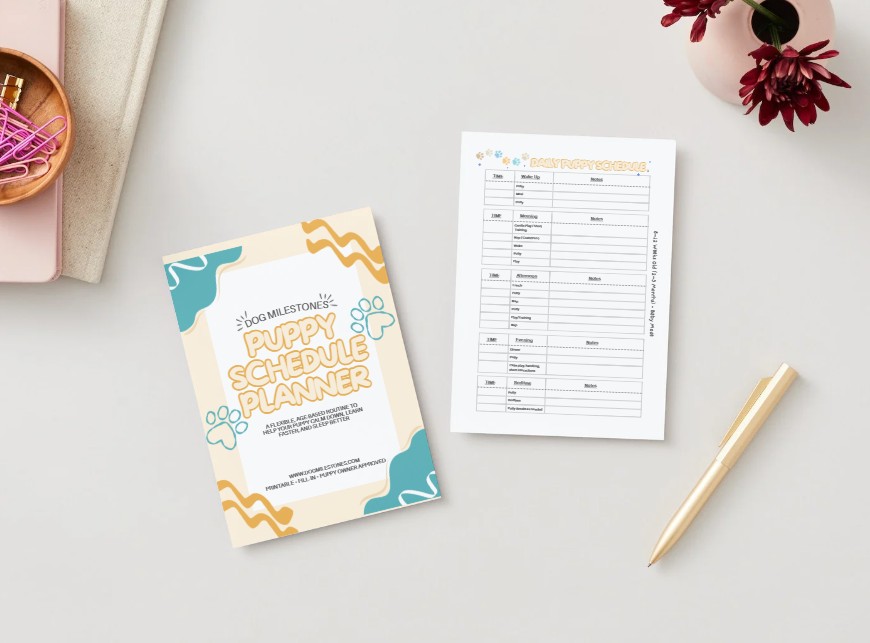
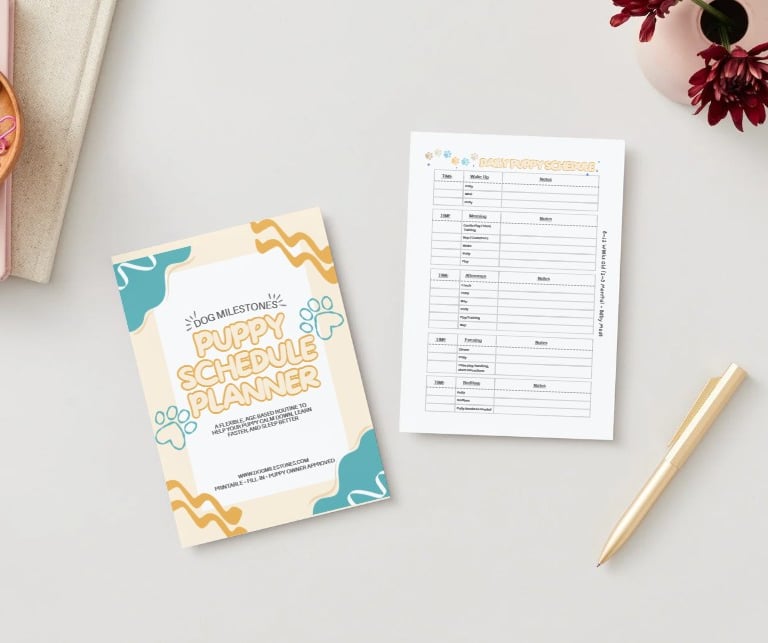
Download our free Puppy Schedule and see first hand how intentional routines help anxious puppies relax, sleep better, and feel secure.
Calm doesn’t happen by accident. It’s built, one predictable day at a time.
Its 100% ready, you just need to plug in the times.
What the PDF Includes:
• Instructions on How To Create A Schedule
• What To Expect As Your Dog Ages
• Puppy Profile - Perfect for day cares and puppy sitters/walkers
• Potty tracking
• Blank Hour-by-hour Daily Schedule
• Suggested Activities ( based on puppies age) Daily Schedule - Blank time slots to fill in
• Notes section - Track behaviors and habits. A nice way to see training progress or negative behaviors forming.
Get Started now - Download our free puppy schedule printable and customize it to your life — not someone else’s routine.
If you need more help with creating a Puppy Schedule
👉 Read → [How to Create a Realistic Puppy Schedule (By Age, Not Perfection)]
info@dogmilestones.com
Join Our Puppy Community
Get weekly puppy tips, milestone guides, and helpful resources delivered to your inbox.
Also, we’ll send over our Dog Milestones Puppy Behavior Quiz to help you with tailored advice for your pup.
SOCIALS
Dog Milestones™
Clear, compassionate guidance for your puppy's development journey.
Quick Links
Resources
© 2026 Dog Milestones. Made with ❤️ for dogs and their humans. All rights reserved.