
8-Month Puppy Regression: Why Your Puppy Is Acting Worse (And Why It’s Actually Normal)
Has your puppy suddenly forgotten everything they learned? Are they ignoring commands, acting rebellious, biting again, or acting “wild” — you are not alone. Welcome to the Teenage Milestone.
2/27/20265 min read
Share Article
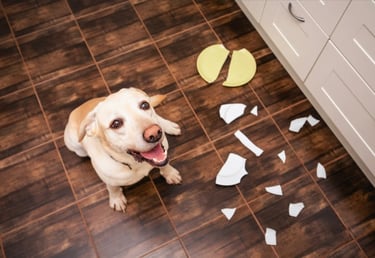
If your puppy suddenly seems to have forgotten everything they learned — ignoring commands, acting rebellious, biting again, or acting “wild” — you are not alone.
This stage is commonly called 8-month puppy regression, and despite how discouraging it feels, it does not mean your dog is broken, aggressive, or untrainable.
It means your puppy is growing up.
Let’s talk about what’s really happening, why this phase is actually a good sign, and exactly what to do so it doesn’t turn into permanent bad habits.
What Is 8-Month Puppy Regression?
Puppy regression usually appears between 6–12 months, depending on breed and size. Many owners notice it most strongly around 7–9 months.
This stage overlaps with puppy adolescence — the canine version of the teenage years.
Your puppy isn’t being “bad.”
Their brain is rewiring from baby brain to adult brain.
That rewiring causes:
• Impulsivity
• Boundary testing
• Independence
• Emotional swings
• Selective listening
Sound familiar?
Why It Feels Like Your Puppy Got Worse Overnight
One of the hardest parts of this phase is how sudden it feels.
Your puppy:
• Knew sit, stay, and come
• Was calm during greetings
• Stopped biting
• Listened consistently
And now?
• Ignores you
• Gets overstimulated easily
• Acts defiant
• Pushes every boundary
This doesn’t mean training failed.
It means your puppy is finally comfortable enough to test you.
The 3-3-3 Rule (And Why This Is a Good Sign)
By the time your puppy hits this phase, you’ve passed the third “3” of the 3-3-3 rule:
• 3 days to decompress
• 3 weeks to learn routines
• 3 months to form trust and bond
Your puppy now trusts you. They feel safe. They know they’re staying. And now they’re asking:
“Do the rules still apply?” That’s not rejection — that’s confidence.
( For more information on the 3-3-3 Rule READ →
Why Dog “Rules” Exist (And Why They’re Often Misunderstood) )
What Puppy Adolescence Really Looks Like
During adolescence, puppies experience:
• Surging hormones
• Increased confidence
• Strong desire for independence
• Reduced impulse control
• Heightened emotions
They are learning to make their own decisions instead of relying on you. Unfortunately… some of those decisions are terrible.
Common 8-Month Regression Behaviors
You might notice:
• Ignoring commands they know
• Pulling on the leash again
• Jumping or mouthing returning
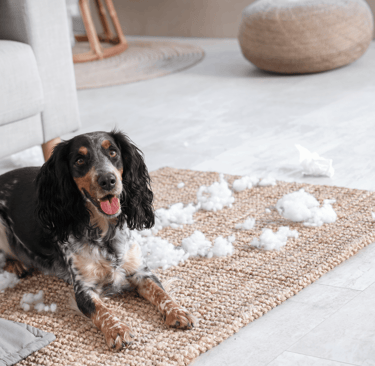
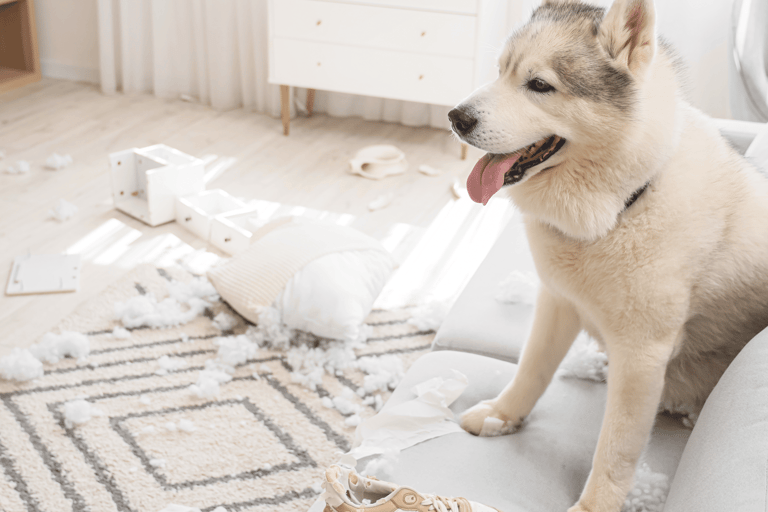
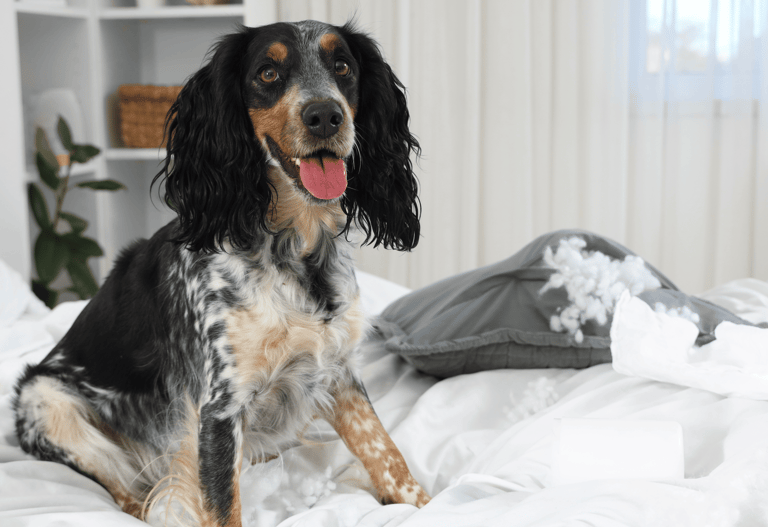
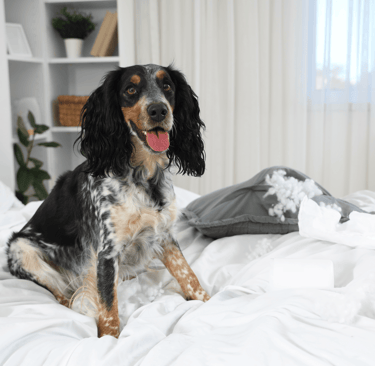
• Chewing, digging, or stealing items
• Selective hearing
• Fear periods (sudden barking or hesitation)
• Over-excitement during play
None of these mean you’ve failed. They mean your puppy’s brain is busy growing.
Why Yelling or Punishment Backfires Here
During adolescence, your puppy’s brain prioritizes emotion over logic.
When you yell:
• They focus on fear, not learning
• Trust erodes
• Anxiety increases
• Behaviors worsen
This is how confident puppies turn into fearful adult dogs. Calm always wins here.
The #1 Rule: Match Energy With Calm. Dogs mirror energy.
• Excitement → excitement
• Anger → fear
• Calm → calm
If your puppy is overstimulated, the answer is not more excitement or more punishment — it’s structure and calm leadership.
How to Handle 8-Month Regression (What Actually Works)
1. Go Back to Basics (Yes, Really)
Treat your puppy like they’re younger again.
• Short training sessions
• High-value treats
• Simple commands
• Fewer distractions
If they hesitate, help them complete the command, reward, then move on. Never let commands become optional.
2. Reward Calm Behavior (Not Chaos)
Calm behavior should pay better than wild behavior.
Examples:
• Ask for a sit before throwing a ball
• Pause play when energy spikes
• Reward laying down, waiting, relaxing
Calmness is a skill — it must be taught.
3. Structure Greetings and Transitions
Over-excitement often happens during transitions.
Try this:
• Ignore your puppy when you walk in
• Put your things down first
• Sit, breathe, relax
• Greet only when they’re calm
Your puppy learns: calm gets attention.
4. Use Calm Voice Training
A soft, low voice lowers arousal.
• Sit before food
• Sit before play
• Sit before doors
• Sit before throwing toys
If you can wait, you teach patience.
5. Manage Over-Excitement During Play
Over-arousal can turn into frustration or biting.
• Pause play frequently
• Ask for a sit or down
• Redirect to toys
• End play briefly if needed
Impulse control develops with repetition.
6. Don’t Reward Mouthing or Jumping
After 6 months, mouthing persists because it’s being reinforced.
What to do:
• Stop attention immediately
• No talking, touching, or eye contact
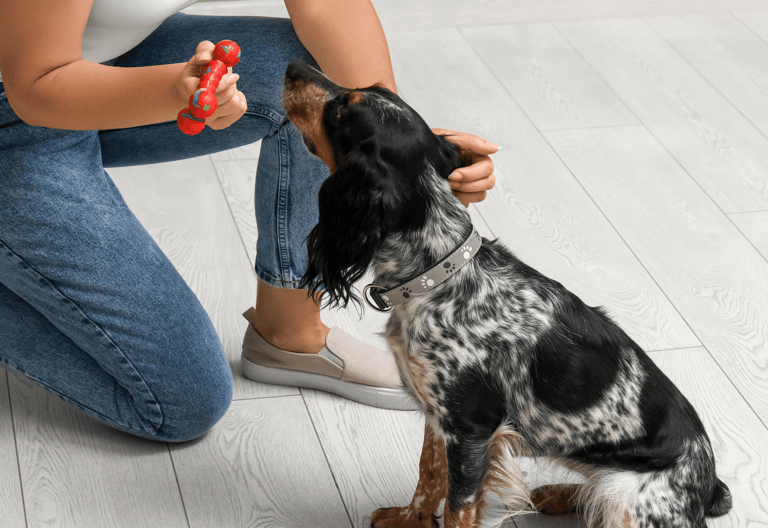
• Redirect to a chew toy
• Walk away if needed
Attention — even negative — is still a reward.
7. Use Management, Not Willpower
Teenage puppies make bad decisions. Help them succeed:
• Leashes indoors if needed
• Long lines for recall
• Crates for downtime
• Baby gates for boundaries
Management prevents bad habits from becoming permanent. Fear Periods Are Normal Too
Around this age, puppies may suddenly:
• Bark at strangers
• Avoid new objects
• Act unsure in familiar places
Do not punish fear. Instead:
• Create distance
• Offer treats
• Let them observe safely
Fear handled gently passes faster.
When to Ask for Help
If you feel overwhelmed — get help early.
A trainer can:
• Rebuild confidence
• Prevent rehoming situations
• Support you through adolescence
Asking for help is responsible, not weak.
This Phase Passes — But Your Response Matters
Puppy adolescence is temporary.
But the habits formed during this phase last. With:
• Calm leadership
• Consistency
• Structure
• Patience
Your puppy becomes the dog you imagined.
The Takeaway
Your puppy isn’t broken. They’re becoming independent. They’re learning who they are.
And with calm guidance, they’ll learn who they’re meant to be — with you.
Want a deeper understanding? Read the following articles to aide you in your quest.
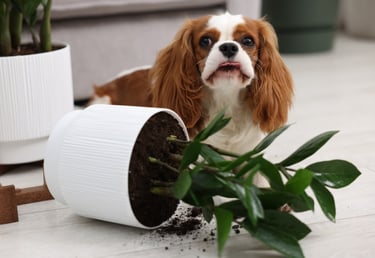

If your puppy struggles with biting, restlessness, or evening chaos,
consistency may be the missing piece — not more effort.
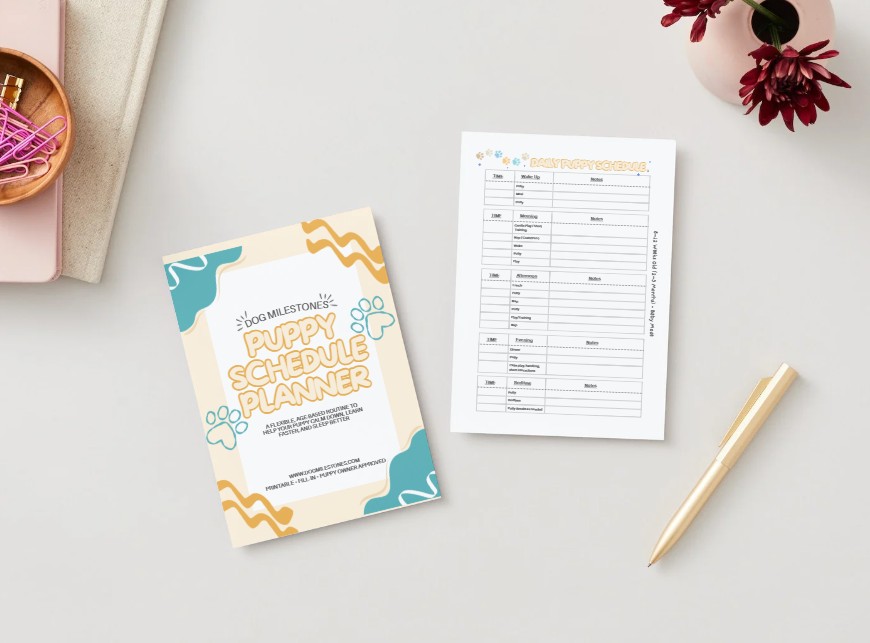
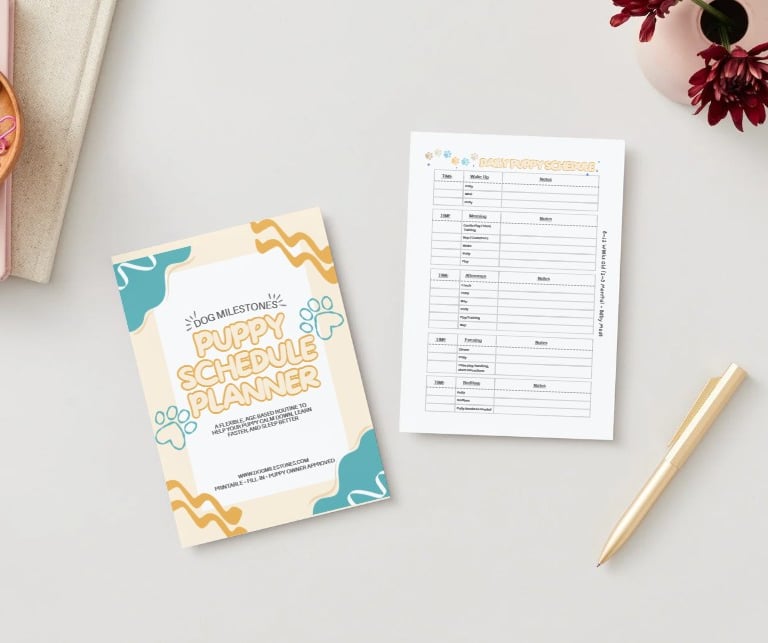
Download our free Puppy Schedule and see first hand how intentional routines help anxious puppies relax, sleep better, and feel secure.
Calm doesn’t happen by accident. It’s built, one predictable day at a time.
Its 100% ready, you just need to plug in the times.
What the PDF Includes:
• Instructions on How To Create A Schedule
• What To Expect As Your Dog Ages
• Puppy Profile - Perfect for day cares and puppy sitters/walkers
• Potty tracking
• Blank Hour-by-hour Daily Schedule
• Suggested Activities ( based on puppies age) Daily Schedule - Blank time slots to fill in
• Notes section - Track behaviors and habits. A nice way to see training progress or negative behaviors forming.
Get Started now - Download our free puppy schedule printable and customize it to your life — not someone else’s routine.
If you need more help with creating a Puppy Schedule
👉 Read → [How to Create a Realistic Puppy Schedule (By Age, Not Perfection)]
info@dogmilestones.com
Join Our Puppy Community
Get weekly puppy tips, milestone guides, and helpful resources delivered to your inbox.
Also, we’ll send over our Dog Milestones Puppy Behavior Quiz to help you with tailored advice for your pup.
SOCIALS
Dog Milestones™
Clear, compassionate guidance for your puppy's development journey.
Quick Links
Resources
© 2026 Dog Milestones. Made with ❤️ for dogs and their humans. All rights reserved.