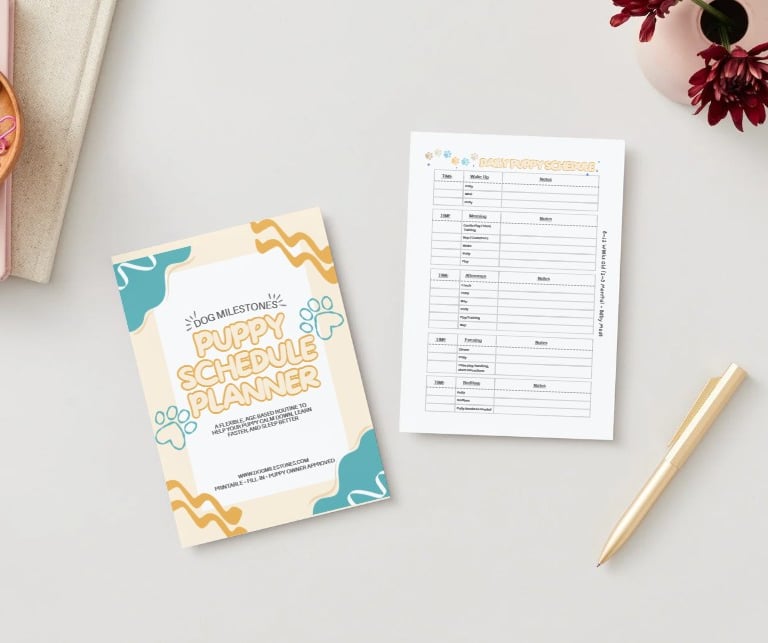
Puppy Development Milestones

Clear, age-based guidance for understanding your puppy's behavior, sleep needs, training readiness, and developmental stages.

Share

Understanding Your Puppy's Development

Every puppy develops at their own pace, but understanding typical milestones helps you know what to expect and when to seek guidance. This page provides age-based information about puppy behavior, sleep patterns, training readiness, and common challenges.

Puppy development isn't linear—your puppy might hit some milestones early and others later. That's completely normal. Use these guides as a framework, not a strict timeline.

Remember: if you're ever concerned about your puppy's behavior or development, consult with a qualified veterinarian or certified dog behavior professional.

Ad Space

Early Puppy Days
Critical socialization period, house training basics, and sleep schedules.
A small brown dog sitting on top of a wooden floor
a puppy laying on the floor next to a chair

8-12 WEEKS

Growing Confidence
Puppy biting peaks, fear periods begin, and basic training foundations.

3-4 MONTHS

dog eating wood log
dog eating wood log
a dog running through a field of yellow flowers
Teenage Phase
Teething, impulse control challenges, and adolescent behavior changes.
Adolescence Phase 1
Testing boundaries, selective hearing, increased independence, and reduced focus.

4-6 MONTHS

6-9 MONTHS

a black and white dog laying on a cobblestone road
dalmatian dog on white textile
Maturing
Settling into routines, continued training, and maturity milestones.

12-18 MONTHS

9-12 MONTHS

Adolescence Phase 2
Possible defiance, reduced focus, or increased reactivity. Once completed they settle into their permanent temperament.

Ad Space

Q. How do puppy needs change as they grow?

A. Puppy needs evolve quickly as their brain, body, and emotional regulation mature. Early stages focus on safety, sleep, and routine, while later stages emphasize impulse control, confidence, and real-world skills. Each developmental phase builds on the previous one.

Q. Why does my puppy’s behavior seem to change suddenly?

A. Sudden behavior changes are usually tied to developmental growth spurts rather than training setbacks. Puppies cycle through periods of increased independence, emotional sensitivity, and reduced impulse control as their nervous system matures.

Q. Is there a stage when puppies are the most difficult?

A. Many owners find the 4–9 month range the most challenging due to teething, increased energy, and early adolescence. This phase requires more management and rest, not stricter discipline.

Q. How do I know if my puppy’s behavior is age-appropriate?

A. Age-appropriate behavior aligns with your puppy’s developmental stage, sleep needs, and environment. Excessive biting, zoomies, or frustration often indicate overstimulation or fatigue rather than behavioral problems.

Q. When should I expect my puppy to calm down?

A. Calmness develops gradually over the first 2–3 years of life. Puppies learn to settle through consistent routines, adequate sleep, and repeated exposure to calm behaviors—not through exhaustion or constant activity."

Q. Do puppies need different routines at different ages?

A. Yes. Younger puppies need frequent naps and structured supervision, while older puppies benefit from predictable schedules that balance independence with rest. Adjusting routines by age helps prevent anxiety and overstimulation.

People Also Ask: Puppy Milestones - Growth & Development

Q. Why does my puppy behave worse in the evening?

A. Evening behavior issues are commonly caused by accumulated fatigue. Puppies often appear hyper or disobedient when they actually need rest and reduced stimulation.

Q. How long does puppy development really take?

A. While physical growth slows after the first year, emotional and behavioral maturity often continues into early adulthood. Development is gradual and varies by breed, environment, and individual temperament.

Q. What matters more for behavior: training or development?

A. Development sets the foundation for behavior. Training is most effective when it aligns with a puppy’s emotional and neurological readiness rather than pushing skills before they are developmentally prepared.

Q. Can understanding milestones reduce behavior problems?

A. Yes. Understanding developmental milestones helps owners respond with appropriate expectations, preventing frustration and reducing the risk of anxiety-related behaviors later in life.

Looking for More Answers?

Check out our FAQ page for more answers to common puppy questions.

Ad Space
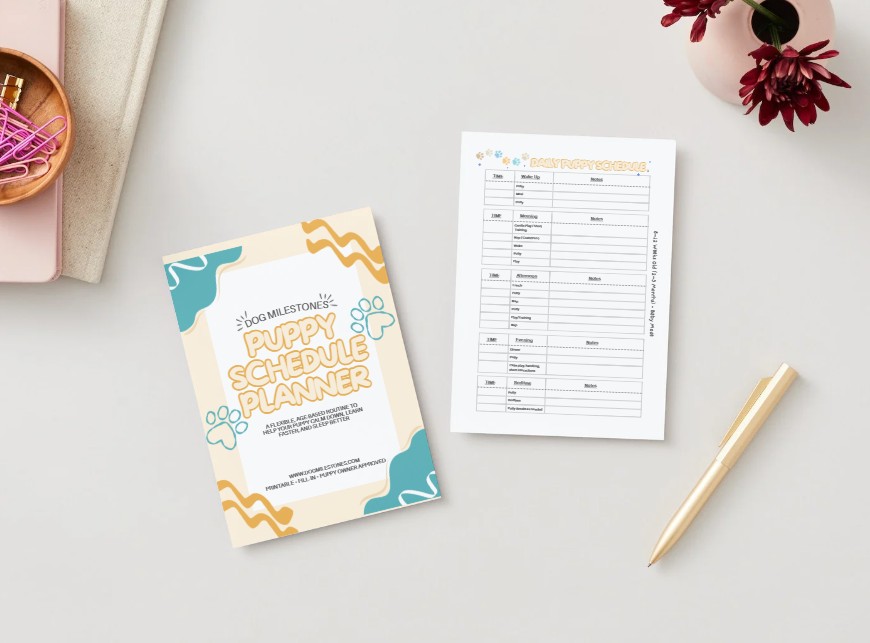
If your puppy struggles with biting, restlessness, or evening chaos,

consistency may be the missing piece — not more effort.

Download our free Puppy Schedule and see first hand how intentional routines help anxious puppies relax, sleep better, and feel secure.

Calm doesn’t happen by accident. It’s built, one predictable day at a time.

Its 100% ready, you just need to plug in the times.

What the PDF Includes:

• Instructions on How To Create A Schedule

• What To Expect As Your Dog Ages

• Puppy Profile - Perfect for day cares and puppy sitters/walkers

• Potty tracking

• Blank Hour-by-hour Daily Schedule

• Suggested Activities ( based on puppies age) Daily Schedule - Blank time slots to fill in

• Notes section - Track behaviors and habits. A nice way to see training progress or negative behaviors forming.

Get Started now - Download our free puppy schedule printable and customize it to your life — not someone else’s routine.

If you need more help with creating a Puppy Schedule

👉 Read [How to Create a Realistic Puppy Schedule (By Age, Not Perfection)]