Puppy Essentials Explained: Why the Right Supplies Matter for Every Breed Size
Choosing the best items in the first few weeks quietly shape your dog’s behavior, confidence, health, and habits for years to come. Here's why.
2/13/20264 min read
Share Article
Bringing home a puppy is one of life’s purest joys — soft paws, curious eyes, and that unmistakable new beginning energy. But here’s the truth most new owners don’t hear enough:
The items you choose in the first few weeks quietly shape your dog’s behavior, confidence, health, and habits for years to come.
Not all puppies are built the same. A toy breed puppy doesn’t experience the world the same way a giant breed puppy does — and expecting one checklist to work for all dogs often leads to frustration, injury, or missed developmental needs.
That’s why puppy essentials should be intentional, size-appropriate, and purpose-driven.
Let’s break down why these essentials matter — and how they support puppies across every breed size.
Why Breed Size Changes Everything
Breed size influences:
Growth speed
Joint and bone development
Energy output
Bite strength
Metabolism
Emotional sensitivity
Training pacing
A leash that works beautifully for a Border Collie could injure a Chihuahua. A chew toy that’s safe for a Yorkie won’t last five minutes with a Mastiff.
When your supplies match your puppy’s physical and emotional needs, training becomes easier, behavior stabilizes faster, and your home stays calmer.
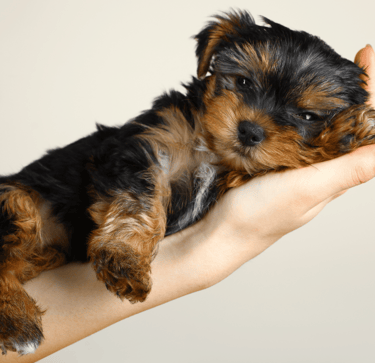
Toy Breed Puppies: Small Bodies, Big Needs
Toy breeds (like Chihuahuas, Yorkies, and Pomeranians) are often underestimated. Their size makes them vulnerable — not fragile, but easily overwhelmed.
Why the Essentials Matter
Lightweight Collars & Leashes
Heavy hardware strains tiny necks and can create leash aversion. Properly fitted, lightweight gear keeps walks positive and safe.
Consistent Feeding Tools
Toy breeds are prone to low blood sugar. Measuring spoons, shallow bowls, and predictable feeding routines help prevent energy crashes and anxiety.
Soft Chew Toys
Hard chews can crack small teeth. Gentle rubber and fabric toys support teething without damage.
Crates & Safe Sleep Zones
Toy puppies feel secure in enclosed spaces. A crate or playpen isn’t confinement — it’s a nest.
Grooming from Day One
Early exposure to brushing, nail grinding, and gentle handling prevents fear later. Grooming isn’t cosmetic — it’s emotional conditioning.
Bottom line: Toy puppies thrive on gentle structure and protection from overwhelm.

Do you have a large breed puppy?
No worries .... we have you covered.
Read → [The Ultimate Puppy Essentials Checklist: Everything Your New Dog Needs in the First 30 Days]
Common Dog Size Classifications-
Toy: Typically under 10–12 lbs.
Small: Generally 10–25 lbs (e.g., Beagle, Pomeranian).
Medium: Usually 25–55 lbs (e.g., Bulldog, Cocker Spaniel).
Large: Commonly 50–100 lbs (e.g., German Shepherd, Labrador).
Giant: Usually over 100 lbs (e.g., Mastiff, Great Dane).
Small Breed Puppies: Confidence Builders in Training
Small breeds (Dachshunds, Cavaliers, Mini Schnauzers) are often confident, curious, and surprisingly stubborn.
Why the Essentials Matter-
Standard Collars & Leashes
Balanced gear supports proper leash manners without encouraging pulling or avoidance.
Mental Stimulation Toys
Small dogs are thinkers. Snuffle mats and puzzle toys prevent boredom-based behaviors like barking or chewing.
Crate Training Supplies
Structure teaches independence. A properly sized crate helps small puppies learn calm rest instead of constant attachment.
Early Training Tools
Treat pouches and clickers support consistency — and consistency builds respect.
Grooming Tools for Coat Maintenance
Many small breeds mat easily. Early brushing prevents pain and future grooming fear.
Bottom line: Small puppies need mental engagement and consistent boundaries to grow into confident companions.
Medium Breed Puppies: The Balance Builders
Medium breeds (Australian Shepherds, Bulldogs, Standard Poodles) often mature into athletic, intelligent adults — but puppyhood is where balance is learned.
Why the Essentials Matter-
Durable Leashes & Collars
Medium puppies grow strong fast. Proper equipment prevents pulling habits before they start.
Portion-Control Feeding Tools
Overfeeding leads to joint stress. Measuring cups protect long-term mobility.
Enrichment Toys
These dogs need both physical and mental outlets. Chew toys calm the body; puzzles calm the brain.
Crate & Nap Structure
Overstimulation causes behavioral issues. Crates teach “off switches,” not isolation.
Training Foundations
Long lines, clickers, and high-value treats set the stage for recall, impulse control, and reliability.
Bottom line: Medium puppies flourish with balanced stimulation and enforced rest.
—> Need Information specifically for Large Dog Breeds? Check out this article - “The Ultimate Puppy Essentials Checklist: Everything Your New Dog Needs in the First 30 Days”

Giant Breed Puppies: Gentle Growth Is Everything
Giant breeds (Great Danes, Mastiffs, Newfoundlands) require the most intentional care — not because they’re difficult, but because growth happens fast.
Why the Essentials Matter-
Proper Nutrition Tools
Giant-breed puppy food controls growth speed. Measuring portions protects joints and prevents lifelong orthopedic issues.
Heavy-Duty, Calm Equipment
Leash manners aren’t optional — they’re safety-critical. Calm handling tools teach cooperation early.
Low-Impact Toys
Rough play and tug-of-war can damage developing joints. Durable, grounded toys keep play safe.
Extra-Large Crates
Structured rest protects growing bones and nervous systems.
Grooming & Handling Early
A 150-pound dog must trust human handling. Grooming tools build compliance and confidence before size becomes a factor.
Bottom line: Giant puppies need slow growth, calm leadership, and early structure.
The Hidden Benefit: Emotional Security
Across all breed sizes, the right essentials do one powerful thing:
They teach your puppy that the world is predictable, safe, and understandable.
A crate teaches rest
A leash teaches cooperation
Grooming tools teach trust
Toys teach self-regulation
Feeding routines teach stability
These aren’t “things.”
They’re communication tools.
Final Thoughts: Quality Over Quantity
You don’t need every product on the market.
You need the right products, introduced with intention.
When your puppy’s environment is calm, structured, and size-appropriate:
Training accelerates
Behavior improves
Anxiety decreases
Trust deepens
And most importantly — your puppy learns how to belong in your home.
That’s what milestones are really about.
Want help choosing the right essentials for your puppy?
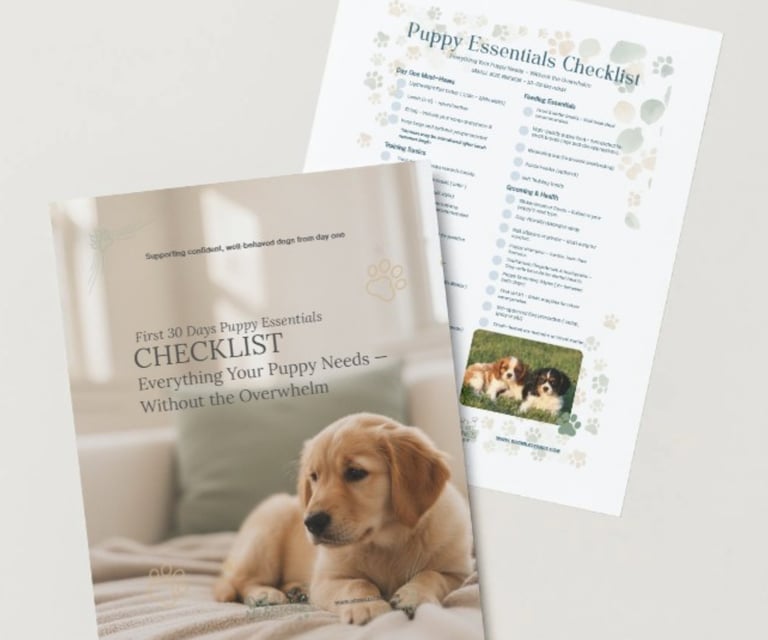
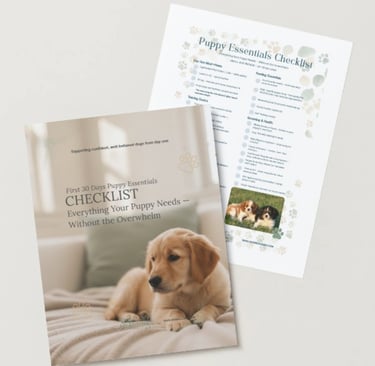
Download the Puppy Essentials Checklist ( by Breed Size )and start your journey with clarity and confidence.
Because raising a great dog doesn’t happen by accident — it happens by design


New Puppy Checklist
( based on breed size)
What to expect:
A detailed check list of everything you need to buy before bringing your puppy/dog home.
👉 For more information refer to helpful articles:
→ [The Ultimate Puppy Essentials Checklist: Everything Your New Dog Needs in the First 30 Days]
→ [Puppy Essentials Explained: Why the Right Supplies Matter for Every Breed Size]
info@dogmilestones.com
Join Our Puppy Community
Get weekly puppy tips, milestone guides, and helpful resources delivered to your inbox.
Also, we’ll send over our Dog Milestones Puppy Behavior Quiz to help you with tailored advice for your pup.
SOCIALS
Dog Milestones™
Clear, compassionate guidance for your puppy's development journey.
Quick Links
Resources
© 2026 Dog Milestones. Made with ❤️ for dogs and their humans. All rights reserved.