Puppy Behavior Problems in the First 12 Months
Most puppy behavior problems in the first 12 months are normal, temporary, and part of their healthy development. Here's how to manage these changes.





What’s Normal, What’s Not, and How to Support Your Puppy Through Each Stage.
Everyone knows bringing home a puppy is exciting, emotional, and—at times—completely overwhelming. One moment your puppy feels like a sweet angel, and the next you’re wondering if you’re doing something wrong because of biting, accidents, barking, or sudden anxiety issues.
If you’re feeling confused or discouraged, take a breath. You are not alone, and we are here to help you.
Most puppy behavior problems in the first 12 months are normal, temporary, and part of their healthy development. There is power in being aware and being prepared when you start to notice changes in their behavior.
Understanding the changes of behavior at each stage makes it much easier to respond calmly, train effectively, and avoid turning short-term challenges into long-term habits. This guide walks you through common puppy behavior issues month by month, explains what’s happening developmentally, and shows you how to manage each stage with confidence and compassion.
Why the First 12 Months Matter So Much
The first year of a puppy’s life shapes how they:
• Respond to stress
• Interact with people and dogs
• Handle fear and frustration
• Learn boundaries and routines
During the first year, puppies experience two major fear periods, teething, adolescence, hormonal changes, and rapid brain development. Many behavior problems peak during these transitions—not because your puppy is “bad,” but because their nervous system is still maturing.
Let’s walk through each stage.
Puppy Behavior by Developmental Stage:
0–2 Weeks (The Neonatal Stage): Survival and Sensory Beginnings
At this stage, puppies are completely dependent on their mother. They cannot regulate body temperature, see, hear, or move with coordination. They sleep up to 90% of the day and rely on instinctive reflexes like rooting and suckling.
Behavior during this stage is not learned behavior—it’s survival behavior.
Key things to know:
• Puppies should gain weight daily
• Crying or restlessness can indicate hunger, cold, or illness
• Human handling should be minimal and gentle
There are no “behavior problems” at this stage, but early medical or environmental stress can influence later confidence and resilience.
2–4 Weeks (The Transitional Stage): Awareness Begins
What’s happening?
This is when puppies begin to:
• Open their eyes and ears
• Attempt walking (very clumsily)
• Become aware of their environment
• The brain starts processing sensory input, and early learning begins.
• Behavior to expect
• Startle responses to sound or touch
• Early play movements with littermates
• Increased curiosity
This stage quietly sets the foundation for future confidence.
3–14 Weeks (The Socialization Window): The Most Important Stage
This is the single most critical period in a dog’s life.
Common behavior issues (8–16 weeks)
• Intense biting and nipping (especially during play)
• Potty training accidents
• Fear of new objects or sounds (first fear period around 8–10 weeks)
• Difficulty being alone
• During this time, puppies learn:
• What’s safe vs. scary
• How hard is “too hard” when biting
• How humans communicate
Negative experiences during this window can create long-term fear responses, while calm, positive exposure builds resilience.
Important reminder:
A fearful reaction during this stage does not mean your puppy will be fearful forever—how you respond matters more than the reaction itself.
4–6 Months (Teething Phase): Mouth First, Think Later
Hide your shoes, protect your furniture, your carpets and your baseboards. Your puppy is on a mission for oral relief.
What’s happening?
• Adult teeth are pushing through, causing gum discomfort and an intense need to chew.
• Common behavior problems
• Destructive chewing (furniture, shoes, baseboards)
• Increased nipping
• Frustration-related barking
• Sudden interest in inappropriate objects
This stage is uncomfortable for puppies, and chewing is how they self-soothe.
Without proper outlets, they’ll find their own. ( Note: Time to buy chew toys and bully sticks, or say good-bye to your favorite shoes.)
6–12 Months (Adolescence Begins): The “Teenage” Phase
This is the stage that surprises most puppy parents, but not you because you are prepared for what most refer to as the “regression” period.
Your puppy may have seemed well-trained and calm at 5 months… and suddenly at 7–10 months, everything feels like it’s falling apart, and they no longer listen to you or remember their training.
This is NORMAL. No need to fear or lose hope. This is the stage where you will need to have a little more patience with your puppy, and a lot of grace.
Common adolescent behavior issues:
• Training regression (“selective hearing”)
• Increased independence
• Leash pulling or reactivity
• Marking or humping
• New or sudden fears (second fear period)
• House training accidents after months of success
This stage coincides with hormonal changes, brain rewiring, and emotional development. Puppies are no longer seeing you as their entire world—and they’re testing what’s negotiable ( like a teenager). This is actually a good sign that they feel at home and they are comfortable with you. But you still need to solidify what is and is not appropriate behavior.
6–12 Months (The Second Fear Period) : Sensitivity Returns
During this extended phase, puppies may:
• React fearfully to familiar objects
• Bark at new people or environments
• Startle easily
What seems funny (like barking at a trash bag) can actually imprint lasting fear if handled incorrectly.
The key:
Avoid forcing exposure. Reassure them calmly. Pair new experiences with positive reinforcement and occasional treats.
10–18 Months (Young Adult Transition): Habits Solidify
Depending on breed and size, puppies begin moving into young adulthood.
• Potential challenges
• Guarding food or toys
• Territorial behavior
• Persistent training gaps
• Increased confidence without impulse control
This is when unresolved puppy behaviors can become adult habits—making consistency crucial.
How to Manage Puppy Behavior at Each Stage
1. Avoid Harsh Punishment
Punishment does not teach emotional regulation. It damages trust and increases fear-based behavior. Instead, reinforce what you want to see again.
2. Redirect, Don’t React
Biting hands? Offer a chew toy.
Chewing furniture? Swap for an approved chew toy item.
Redirection teaches appropriate outlets without confrontation.
3. Manage Energy, Not Just Exercise
Mental stimulation (training, puzzles, sniffing games) tires puppies more effectively than endless physical exercise.
4. Breath, Remain Calm and Adjust Expectations During Fear Periods
Fear periods are not the time to push boundaries. Slow introductions, calm reassurance, and positive associations protect confidence.
5. Stay Consistent (Especially During Regression)
Regression does not mean failure.
It means your puppy’s brain is changing.
Go back to basics:
• Reinforce cues
• Use treats generously
• Control environments (using crates, play pens, etc.) to prevent accidents and destructive behavior
• Prevent rehearsing bad behavior
6. Don’t Give Up! - Know When to Ask for Help
As most people are not the same, neither are dogs. Whether you rescue a puppy or work with a breeder, your dog will have their own mind and habits. No need to fear because there is a ton of help out there. And we are more than happy to help direct you where to go if you run into any unmanageable behavioral issues.
Consult a veterinarian or certified trainer if you see:
• Persistent aggression
• Intense fear
• Biting with intent to harm
• Anxiety that worsens over time
Early intervention prevents lifelong challenges.
A Final Reassurance for Tired Puppy Parents
If your puppy is between 8–12 months and suddenly feels like a completely different dog—you are not alone. This is often the hardest stage emotionally, but it is also temporary. With patience, consistency, and support, most puppies come out the other side calmer, more focused, and deeply bonded to their humans. You are not failing. You are raising a puppy with a developing nervous system.
What’s Next: A deeper dive into “Understanding the 8-Month Regression”
Many puppy parents feel blind sided around the 8-month mark, when training seems to unravel overnight. This period deserves its own deep dive.
"Why Puppy Behavior Often Regresses Around 8 Months (And How to Handle It Without Losing Your Mind)"
This next article will walk you through exactly what’s happening during this stage and how to support your puppy through it calmly and effectively, and maintain the trust you’ve already built.
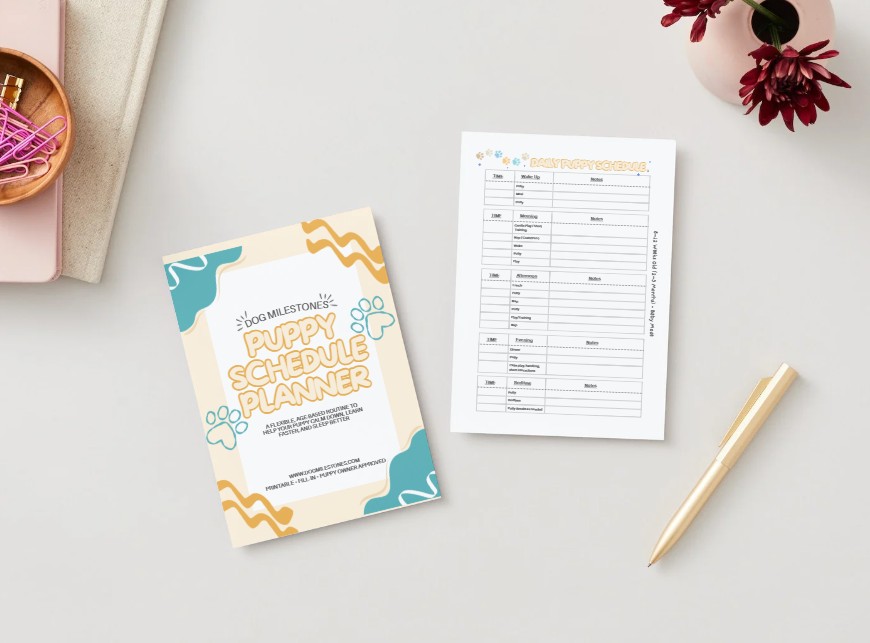
➡ Related Guide : How to create a realistic schedule for your puppy
➡ Related Guide : [8-Month Puppy Regression: Why Your Puppy Is Acting Worse (And Why It’s Actually Normal)]