
The Safe Space Rule: Why Every Dog Needs a Retreat
Dogs — like humans — need places where they can disengage, decompress, and feel safe without demands.
2/16/20262 min read
Share Article
One of the most misunderstood “rules” in dog training is the idea that dogs should always be available, tolerant, and socially engaged. Many owners believe a well-trained dog should happily accept attention at all times, adapt instantly to new environments, and cope with constant stimulation. In reality, dogs — like humans — need places where they can disengage, decompress, and feel safe without demands.
A safe space is not a punishment area, nor is it a sign of fear or poor socialization. It is a biological and emotional necessity. Dogs are prey and predator animals at the same time, wired to monitor their surroundings constantly. Without a predictable retreat, that vigilance never truly shuts off, which can quietly build stress even in dogs that appear “fine.”
A proper safe space gives a dog permission to rest deeply. This is where nervous systems reset, where cortisol levels can fall, and where learning and emotional regulation become possible again. Dogs that lack a retreat often display subtle stress signals: pacing, excessive licking, irritability, difficulty settling, or sudden reactivity that seems to come “out of nowhere.”
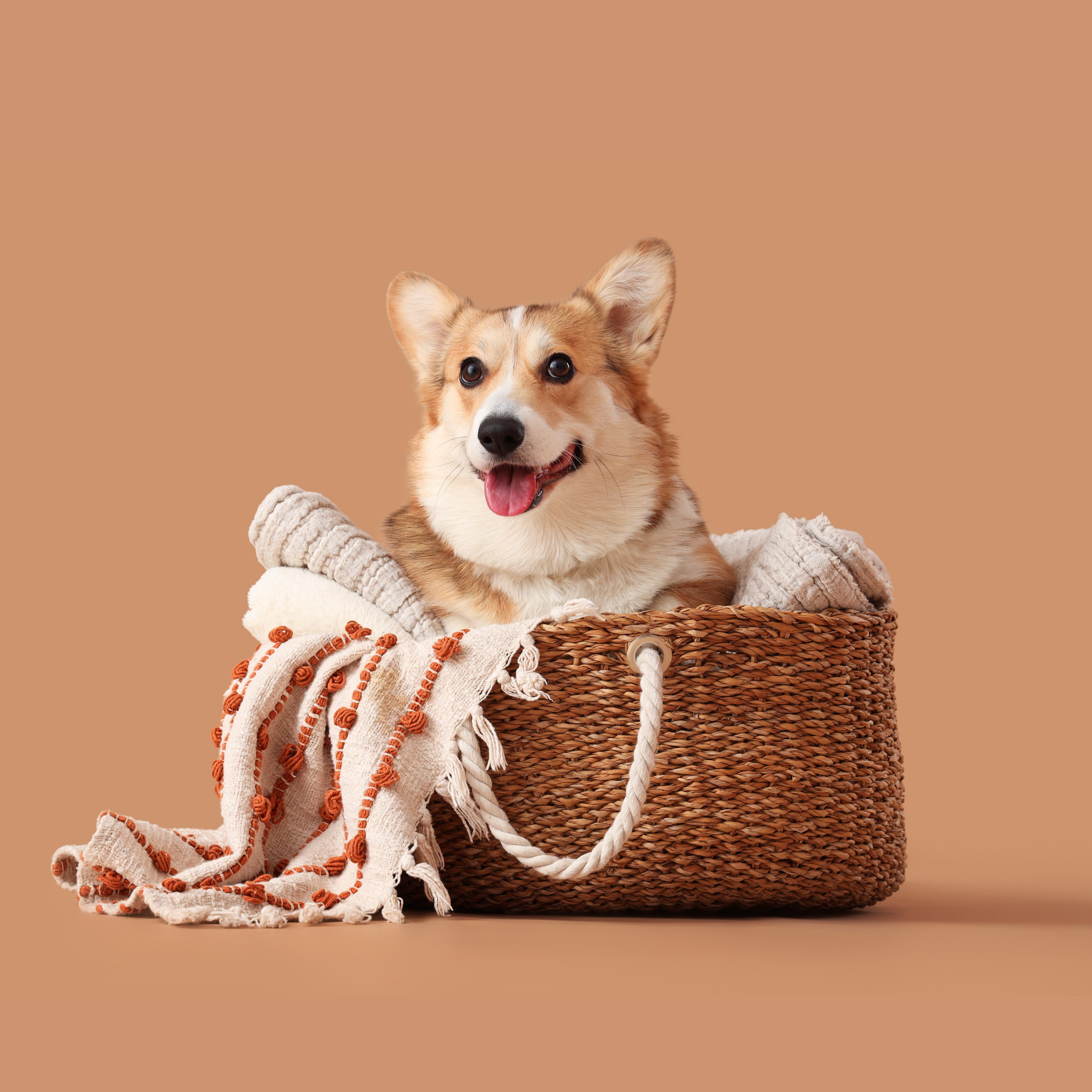
The most effective safe spaces are consistent, low-traffic areas where the dog is not disturbed. Crates can serve this purpose beautifully when introduced positively, but they are not the only option. A quiet corner with a bed, a gated-off room, or a covered area away from household noise can all function as a retreat. What matters most is predictability and respect. When a dog goes to their safe space, they should not be followed, handled, or coaxed out for interaction.
This rule becomes especially important in homes with children, visitors, or multiple pets. Dogs need a clear option to opt out of interaction without having to escalate their communication. When a dog knows they can retreat safely, they are far less likely to growl, snap, or shut down. In many cases, what people label as “sudden aggression” is actually a dog who never had a way to say “I need space” that humans respected.
Safe spaces also support training progress. Learning requires emotional bandwidth. A dog who never fully rests cannot retain information effectively. By honoring rest and retreat, owners often see improved focus, better impulse control, and more stable behavior overall.
This rule asks humans to reframe what good behavior looks like. A dog choosing solitude is not being antisocial or stubborn — they are practicing self-regulation. Respecting that choice builds trust, which is the foundation of all lasting training.
Suggested articles to read next:
Why Dog “Rules” Exist (And Why They’re Often Misunderstood)
info@dogmilestones.com
Join Our Puppy Community
Get weekly puppy tips, milestone guides, and helpful resources delivered to your inbox.
Also, we’ll send over our Dog Milestones Puppy Behavior Quiz to help you with tailored advice for your pup.
SOCIALS
Dog Milestones™
Clear, compassionate guidance for your puppy's development journey.
Quick Links
Resources
© 2026 Dog Milestones. Made with ❤️ for dogs and their humans. All rights reserved.