Puppy Zoomies vs Anxiety: How to Tell the Difference
Zoomies are normal—but sometimes what looks like excitement is stress.
Zoomies are normal—but sometimes what looks like excitement is stress.
What are Zoomies?
Happy energy caused by joy, excitement, or a need to burn off pent-up energy.
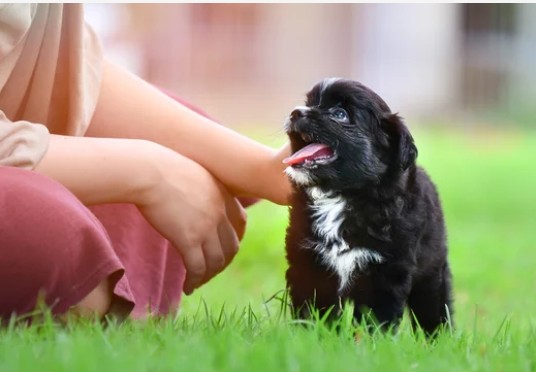
The dogs body language is loose and wiggly. Their tongue is out and their body is relaxed.
Dogs usually get this burst of energy after a bath or playtime. And as you know
when their owner arrives home.
Why is it important to notice the difference?
Treating anxiety like excitement (by adding stimulation) can worsen behavior.
When your dog is anxious the last thing they need is stress on their body due to over
exerting themselves during play time/training or a long walk.
What anxiety looks like -
Tense muscles, wide/worried eyes, ears pinned back, panting and or shaking. And it is usually triggered by loud noises, storms, fireworks, or long stretches of separation.
An anxious dog may start off trying to be playful, but you will notice they will continue to pace, whine or hide.
This can become a repetitive pattern if not addressed.
While a puppy is developing they may experience anxiety more often. Usually around 8-10 weeks, 4-6 months, and again around 9 months. Why? because they become more sensitive to new sights, sounds, and experiences. These phases are a normal part of development where they may suddenly fear familiar things.
Also during these stages stage a puppy is still learning the house rules and growing to trust and rely on its owner for affection and support. Dogs are very smart and self sufficient, but do to their physicality and growing maturing body they rely heavily on their own to be consistent, calm and reliable.
What helps anxious puppies?
• Predictable routines ( create and stick to a schedule )
• Safe decompression time
• Reduced stimulation
• Calm presence
When to get help from a vet, if you notice this behavior continues regularly and your dog lacks mental stimulation.
For more information:
➡ Related reading: How to Calm an Overstimulated Puppy at Night
➡ Big picture Guide: Puppy Behavior Problems in the First 12 Months