
Potty Training vs. Pee Pads: What New Puppy Owners Need to Know (And How to Build Reliable Bathroom Habits Fast)
Ever thought, "Why is my puppy still having accidents — am I doing something wrong?” Then this article is for you.
2/6/20265 min read
Share Article
One of the very first challenges new puppy owners face is bathroom training. It sounds simple — teach the puppy where to go — but the method you choose in the first 30 days can shape your dog’s habits for years.
Many owners ask:
“Should I use pee pads or train my puppy to go outside?”
The answer depends on your living situation, your puppy’s age, and your long-term goals — but in most cases, teaching outdoor potty habits early leads to faster, cleaner, and more reliable results.
This guide explains the differences, the role of breed size and age, how potty bells accelerate communication, and why a potty-tracking system is one of the most powerful tools you can use during the first month.
Potty Training vs. Pee Pads: Understanding the Difference
Outdoor Potty Training
Outdoor training teaches your puppy that bathroom = outside location only. This approach creates clear expectations and reduces confusion later in life. Puppies learn to hold their bladder, signal their needs, and associate specific outdoor surfaces with elimination.
Benefits:
• Faster long-term housebreaking
• Fewer indoor accidents as the puppy matures
• Clear lifelong bathroom habits
• Encourages routine and structured schedules
• Builds early communication skills between dog and owner
Pee Pad Training
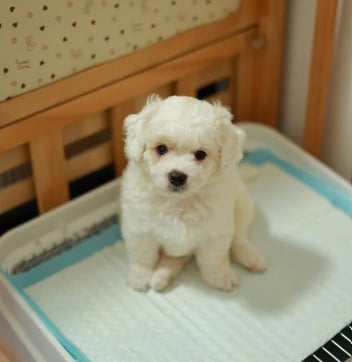
Pee pads can be helpful in specific situations, such as:
• Apartment living with limited outdoor access
• Extremely small breeds with tiny bladders
• Owners who are away for longer periods
• Severe weather environments
However, pads can unintentionally teach puppies that going indoors is acceptable, which sometimes slows the transition to outdoor-only habits.
Potential Challenges
Puppies may confuse rugs or soft surfaces for pads
Longer transition time when switching to outdoor training
Some dogs never fully stop indoor elimination if pads remain available
For many households, the best approach is short-term pad support while simultaneously teaching outdoor routines, gradually phasing pads out as bladder control improves.
Why Breed Size and Age Matter
Not all puppies develop bladder control at the same speed.
Small and Toy Breeds
Smaller dogs often:
• Have faster metabolisms
• Have smaller bladders
• Need more frequent potty trips
These puppies may need outdoor trips every 60–90 minutes early on, making pads temporarily useful for some owners.
Medium to Large Breeds
Larger breeds typically:
• Develop bladder control slightly faster
• Transition to outdoor-only routines sooner
• Respond well to structured schedules
Age Guidelines
A common guideline is:
• 2 months: every 1–2 hours
• 3 months: every 2–3 hours
• 4 months: every 3–4 hours
• 6 months: longer holding ability begins
Regardless of breed, consistency matters more than speed. Puppies succeed when the environment supports predictable routines.
The Power of Potty Bells: Teaching Your Puppy to Communicate
One of the most effective tools for faster potty training is a potty bell system — a bell hung near the exit door that your puppy learns to ring when they need to go outside.
This system removes guessing and teaches your dog a clear communication method.
Benefits of Potty Bells:
• Reduces accidents by encouraging signaling
• Helps shy puppies communicate needs
• Creates independence and confidence
• Strengthens the outdoor-only potty habit
• Makes it easier for family members to stay consistent
Where to Place the Potty Bell
Hang the bell on the primary door used for potty trips
Position it at nose or chest height for your puppy
Keep it in the same location at all times to prevent confusion
Consistency in location is essential. Dogs learn patterns quickly, and moving the bell repeatedly can slow the learning process.
Step-by-Step: How to Train Your Puppy to Use the Potty Bell
Step 1: Introduce the Bell
Before each potty trip, gently guide your puppy’s nose or paw to touch the bell so it makes a sound.
Step 2: Immediately Go Outside
As soon as the bell rings, open the door and take your puppy to the potty area.
Step 3: Reward Success
When your puppy eliminates outside, reward with praise or a small treat to reinforce the connection.
Step 4: Repeat Consistently
Within days or weeks, many puppies begin ringing the bell independently.
Over time, your puppy learns:
Bell → Door opens → Outside → Potty → Reward
This simple communication loop dramatically accelerates house training.
Why a Potty Tracker Speeds Up Training
Many potty-training frustrations happen because owners rely on memory instead of data. A potty tracker removes the guesswork by showing patterns in your puppy’s bathroom habits.
What a Potty Tracker Helps You See
• How often your puppy needs to go
• Time gaps between successful potty trips
• Accident patterns and triggers
• Ideal times for scheduled outings
• Progress over the first 30 days
When owners track bathroom behavior, they begin to anticipate needs instead of reacting to accidents.
How to Use a Potty Tracking System Effectively
Record:
• Time of potty trips
• Success vs. accident
• Food and water times
• Sleep and nap cycles
• Play or excitement periods
Within just a few days, clear timing patterns appear. Many puppies eliminate:
• After waking
• After meals
• After play sessions
• Before bedtime
Using this data allows you to adjust schedules and dramatically reduce accidents.
The First 30 Days: Building the Foundation
The first month with a puppy is not just about teaching commands — it’s about building predictable rhythms.
Successful potty training depends on:
• Frequent scheduled trips
• Calm, consistent routines
• Clear communication signals (bells)
• Reinforcement of outdoor success
• Tracking patterns to guide timing
Owners who combine outdoor training + bell communication + potty tracking often see faster success than those relying on reactive training alone.
Final Thoughts: Choose Clarity Over Confusion
Puppies don’t naturally know where they should go — they learn from repetition, environment, and feedback. Whether you begin with outdoor training immediately or use temporary pads, the long-term goal should always be clear bathroom expectations and consistent routines.
Adding a potty bell system gives your puppy a voice.
Using a potty tracker gives you insight.
Together, they create one of the fastest paths to reliable house training.
Bonus: Make Potty Training Easier with a Structured Planner
Inside the First 30 Days Puppy Setup Guide, you’ll find a printable potty-tracking system and daily schedule planner designed to help you:
• Predict potty needs before accidents happen
• Build consistent bathroom routines
• Track improvement week by week
• Create calm, predictable daily structure for your puppy
Because successful potty training isn’t about luck — it’s about timing, consistency, and clear communication.
--> Grab our Free Puppy Schedule — calm routines make potty training easier.
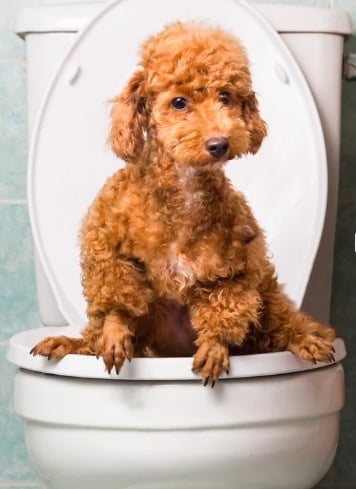
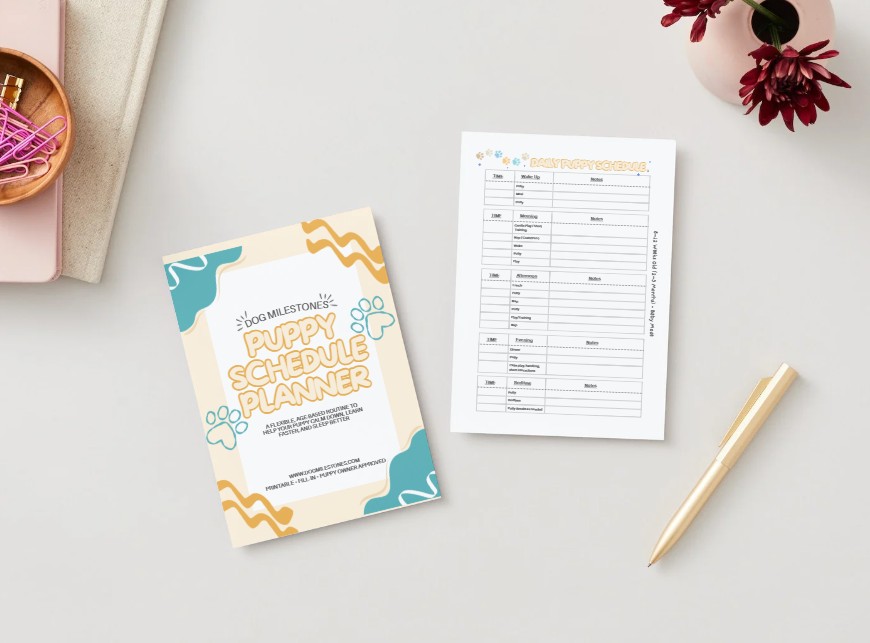
Create a routine that works for you and your puppy. With consistency comes less accidents.
If your puppy struggles with potty training, biting, restlessness, or evening chaos, consistency may be the missing piece — not more effort.
Download Our FREE Puppy Schedule and see first hand how intentional routines help anxious puppies relax, sleep better, and feel secure.
Calm doesn’t happen by accident. It’s built, one predictable day at a time.
info@dogmilestones.com
Join Our Puppy Community
Get weekly puppy tips, milestone guides, and helpful resources delivered to your inbox.
Also, we’ll send over our Dog Milestones Puppy Behavior Quiz to help you with tailored advice for your pup.
SOCIALS
Dog Milestones™
Clear, compassionate guidance for your puppy's development journey.
Quick Links
Resources
© 2026 Dog Milestones. Made with ❤️ for dogs and their humans. All rights reserved.