
First 30 Days Puppy Setup Guide
How to Build Trust, Routines, and Lifelong Good Habits From Day One
2/4/20264 min read
Share Article
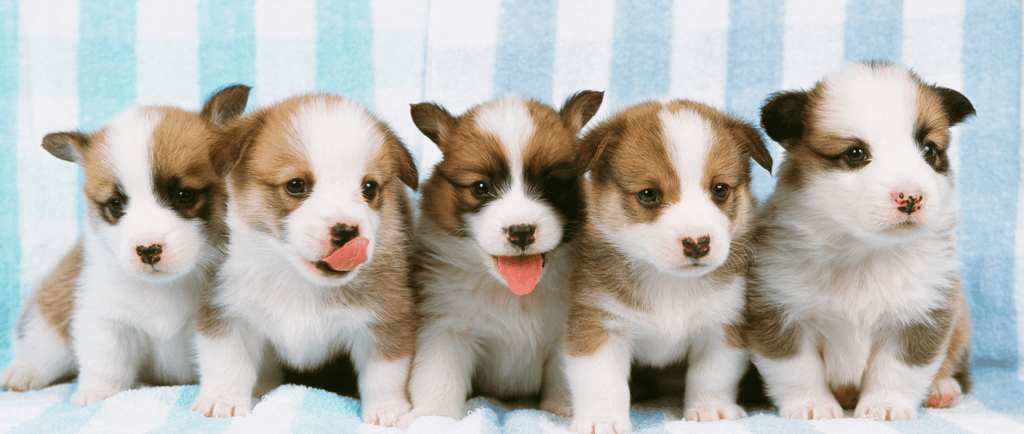
Bringing home a new puppy is exciting, emotional, and sometimes overwhelming. The first 30 days are not about teaching dozens of tricks — they are about building trust, establishing predictable routines, and laying the behavioral foundation that makes all future training easier.
Puppies learn fastest when life feels safe, structured, and consistent. This guide walks you through exactly what to focus on during the first month so your puppy grows confident, calm, and ready to learn.
The First Month Mindset: Foundation Before Perfection
During the first 30 days, your puppy is adjusting to a completely new world — new smells, new people, new sounds, and a new daily rhythm. Instead of expecting immediate obedience, focus on:
• Building trust and bonding
• Creating predictable daily routines
• Introducing short, positive training sessions
• Teaching early communication skills
• Preventing bad habits before they form
• Training during this stage should be short, fun, and consistent, typically 5–10 minutes at a time, several times per day.
Immediate Priority #1: Potty and Crate Training
Potty training and crate comfort should begin immediately because they support nearly every other training goal.
Establish a Strict Potty Routine
Take your puppy outside:
• Immediately after waking
• After meals
• After play sessions
• Before bedtime
• Every 1–3 hours depending on age
Consistency teaches your puppy where and when bathroom breaks happen, dramatically reducing accidents.
Crate Training for Safety and Calm
A crate is not punishment — it is a safe, quiet resting space that helps puppies:
• Learn bladder control
• Rest without overstimulation
• Prevent destructive behavior
• Develop independence
Keep crate experiences positive by adding soft bedding, safe chews, and calm praise when your puppy settles.
Priority #2: Name Recognition
Before teaching commands, teach your puppy that their name means something wonderful is about to happen.
How to Teach It
Say your puppy’s name in a cheerful tone.
The moment they look at you, reward with a treat or praise.
Repeat frequently in short sessions.
Soon, your puppy learns that hearing their name means pay attention, creating the foundation for all later training.
Priority #3: Basic Focus Commands
During the first month, the goal is not perfect obedience — it is introducing simple behaviors that build focus and impulse control.
Sit and Down
Use a treat lure to gently guide your puppy into position, reward immediately, and release. Short repetitions build early understanding.
Wait or Stay
Teach your puppy to pause before:
Going through doors
Eating meals
Exiting the crate
These small pauses teach patience and emotional regulation.
Recall (“Come”)
Start indoors in a small space. Cheerfully call your puppy and reward heavily when they approach. Early recall training builds safety and connection.
Priority #4: Handling and Socialization
Confident adult dogs are created through gentle early exposure.
Practice calmly touching:
Paws
Ears
Mouth
Collar area
Pair every touch with treats so your puppy associates handling with positive experiences, making grooming and vet visits easier later.
Introduce your puppy to:
Friendly people
Safe environments
Everyday sounds
Car rides
Different walking surfaces
The goal is gradual exposure without overwhelming them.
Priority #5: Impulse Control and Manners
Puppies naturally grab, jump, and explore with their mouths. Early impulse-control skills prevent these habits from becoming long-term problems.
Teach:
Leave it – ignore forbidden objects
Drop it – release items willingly
Calm greetings instead of jumping
Waiting patiently for food or toys
Reward calm choices frequently so your puppy learns that self-control pays off.
Priority #6: Early Leash Manners
Begin leash training indoors or in quiet areas first. Allow your puppy to get comfortable wearing the collar and leash before introducing walks.
Practice:
• Walking beside you for a few steps
• Rewarding loose leash behavior
• Stopping when pulling begins
These early steps prevent future leash frustration.
A Powerful Tool: The Training Focus Planner
One of the most effective ways to accelerate learning is using a Training Focus Planner — a simple system that organizes daily short training sessions and tracks progress.
What a Training Focus Planner Is-
It is a structured page where you record:
• Skill being practiced (Sit, Recall, Leave It)
• Session times
• Rewards used
• Progress level
• Notes for improvement
Tracking sessions:
• Keeps training consistent
• Prevents overwhelming the puppy
• Helps owners see steady progress
• Identifies which skills need reinforcement
• Builds confidence for both puppy and owner
Even two short sessions per day can create dramatic improvements when tracked consistently.
Start Today - Download your own Trainer Tracker now
Tips for First-Month Training Success
Use the 3-3-3 Rule
New puppies need time to adjust:
3 Days: Decompress and observe
3 Weeks: Begin learning routines
3 Months: Fully settle into the home
Understanding this timeline prevents unrealistic expectations.
–> For detailed information READ: Why Dog “Rules” Exist (And Why They’re Often Misunderstood)
Hand-Feeding Builds Bonding
Using part of your puppy’s meals during training:
• Strengthens trust
• Improves focus
• Encourages cooperation
• Turns everyday feeding into learning time
Keep Everything Positive
Use treats, toys, and praise. Puppies learn faster when training feels like a game rather than a correction process.
Why Routines Matter More Than Commands
Many behavior problems develop not because puppies are stubborn, but because their day lacks structure. When feeding times, sleep, potty breaks, and play sessions follow predictable rhythms, puppies feel secure and make better choices.
Create a structured daily schedule:
• Reduces accidents
• Prevents overtired biting behavior
• Improves training focus
• Creates calm energy levels
• Helps owners feel organized and confident
This is why planners and trackers are powerful — they turn unpredictable days into clear, repeatable systems.
The First 30 Days Shape the Next 10 Years
The early weeks of puppy ownership may feel busy, but they are one of the most valuable opportunities you will ever have with your dog. Habits formed now — both good and bad — often continue into adulthood.
By focusing on:
• Consistent routines
• Positive reinforcement
• Short daily training sessions
• Socialization and handling
• Calm environmental structure
you create a puppy who understands how the world works and feels safe learning within it.
Build Your Foundation Faster with the Puppy Planner
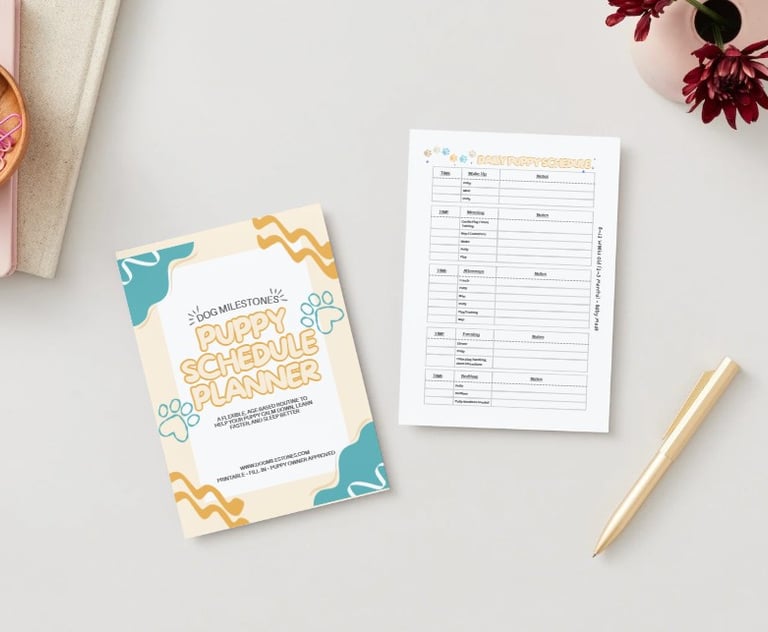
The FREE Daily Puppy Planner and Training Focus System was designed specifically to guide new owners through the first 30 days by helping you:
• Track potty timing and prevent accidents
• Schedule short, effective training sessions
• Build predictable feeding, nap, and play routines
• Monitor progress week by week
• Stay consistent even during busy days
Because successful puppy training isn’t about doing more — it’s about doing the right small things consistently
info@dogmilestones.com
Join Our Puppy Community
Get weekly puppy tips, milestone guides, and helpful resources delivered to your inbox.
Also, we’ll send over our Dog Milestones Puppy Behavior Quiz to help you with tailored advice for your pup.
SOCIALS
Dog Milestones™
Clear, compassionate guidance for your puppy's development journey.
Quick Links
Resources
© 2026 Dog Milestones. Made with ❤️ for dogs and their humans. All rights reserved.